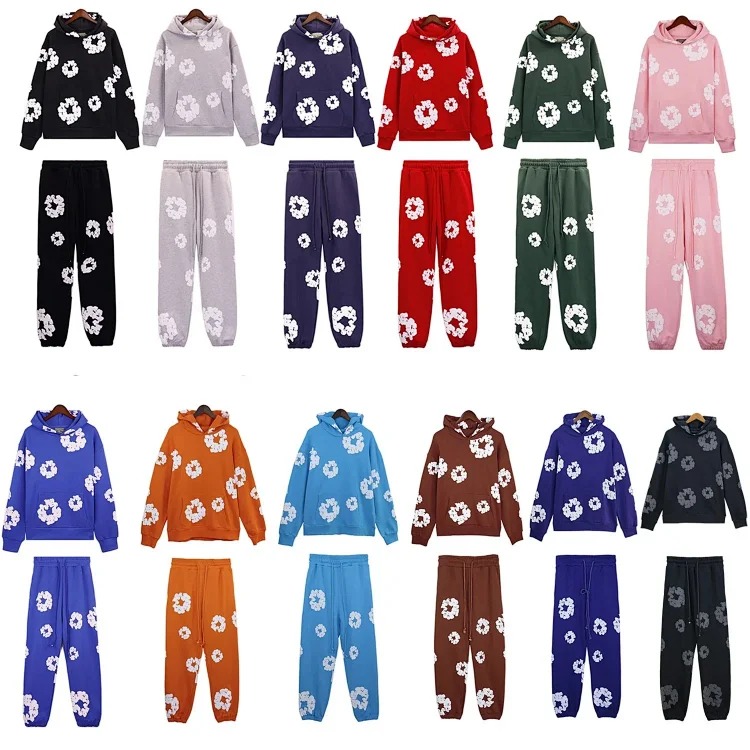
 Autumn-winter sweatshirt setOption and set contents →
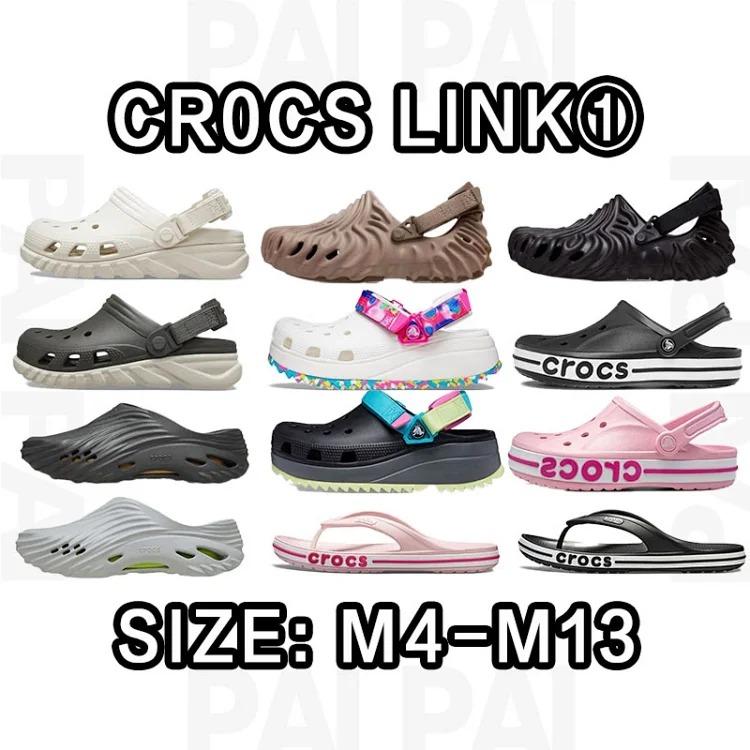 Pollex clogSize and sole details →
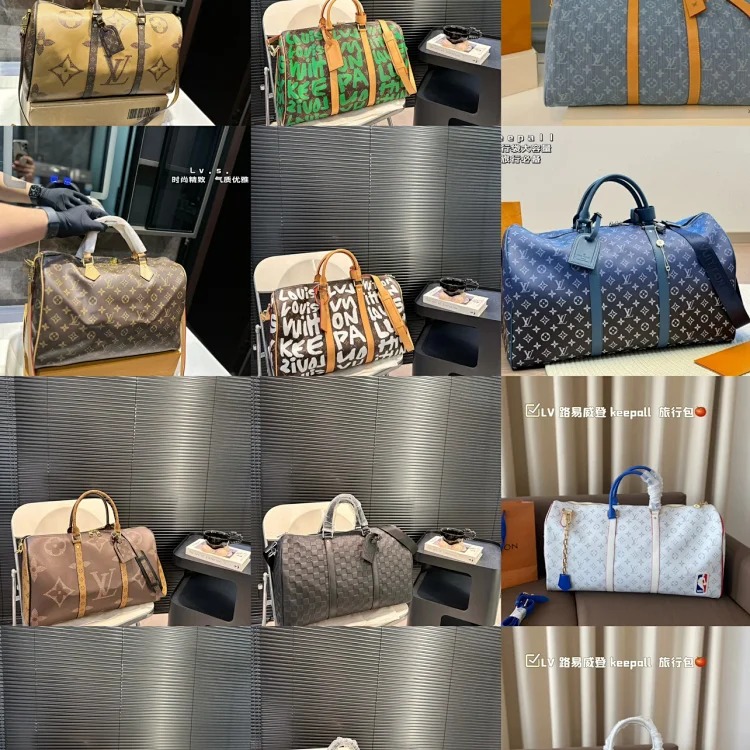 Travel bagDimensions and components →
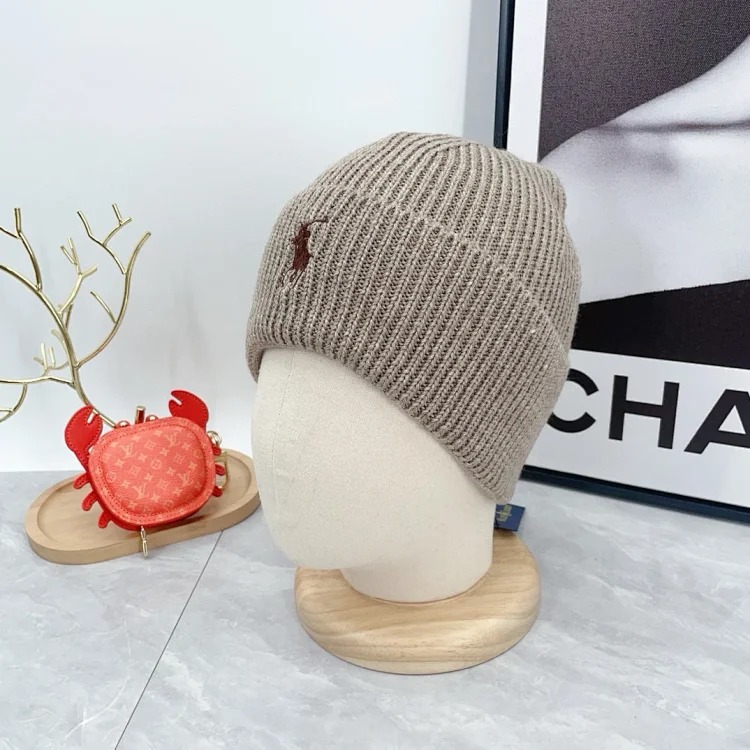 Knitted hatFit and material evidence →
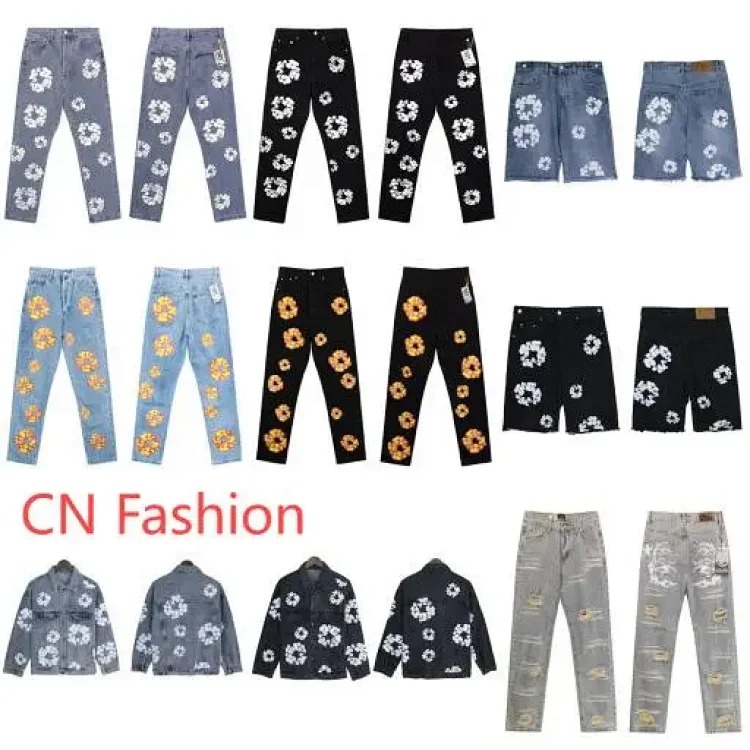 Denim-style pantsWaist and inseam →
Decide what needs refreshing before you browse
Link maintenance is more than checking whether a page loads. A live URL can open a different color, a revised option set, a new seller description, or a page where the original version is no longer selectable. Start by setting a review trigger: before an order, after a long gap, when a seller changes a listing, or when your saved note contains an unanswered question. Give each row a last-checked date and an owner so stale records do not silently look current.
Use a short status vocabulary: active and confirmed, active but changed, temporarily unavailable, redirected or replaced, and removed. Keep “unreachable” separate from “removed”; a temporary network failure is not proof that a listing has disappeared. Reopen the direct product detail page from the source site, confirm its title and category, then compare the main image, option names, price, and visible size range with your saved record. If the URL now describes a different item, do not edit the old row until you preserve what changed.
A useful update log has columns for original URL, current URL, date checked, page title, option selected, seller or store identifier, price as displayed, chart availability, image-gallery changes, and decision. Add an evidence note rather than a simple “looks okay” mark. For example, record that the color option still appears, that the chart is present, or that the seller has not answered a materials question. Add a next action for every unknown: recheck later, ask the seller, ask the agent, or remove the item from the shortlist.
The OutfitReps examples in this guide show why a single update checklist needs category-specific fields. A sweatshirt set requires confirmation of whether a listing option is a top, bottoms, or a complete set. A clog needs a size system and foot or insole evidence. A travel bag needs capacity-related dimensions, straps, closures, and included pieces. A knitted hat needs circumference or stretch details. Denim-style pants need rise and inseam. These are not recommendations or verified specifications; they are prompts for the next check on each product page.
Recheck the exact product, variant, and seller record
Open each saved URL in a fresh browser tab and check the destination before clicking through any redirect. Compare the page title and lead image with your archived screenshot or note. If the page has changed, capture a new date-stamped record and note whether the new page appears to be the same item, a revised version, or a replacement. Do not rely on the URL slug alone because product identifiers can remain while photographs or options change.
For the sweatshirt-set example, inspect the option labels and gallery to determine whether the seller is offering one piece or a coordinated set for the selected choice. Confirm color and size are attached to the right variant. For the clog, note whether sizes are displayed in a regional system and whether the page provides an insole measurement. Ask for a measurement method if it is unclear. For pants, preserve waist, hip, rise, thigh, inseam, and outseam separately; a single size label is not enough to compare with a pair you own.
For the travel bag, record height, width, depth, strap drop, compartment count, and what the seller says is included. These details also affect parcel planning, so verify the exact model and packaging. For a knitted hat, check the material wording, knit density, stretch, shape, and whether its size is described as one size or as a measured circumference. If the option or seller evidence changes, mark the old value as superseded instead of overwriting it without history.
Keep seller details precise and time-bound. Save the store name or seller identifier shown on the page, the date of the response, the exact variant discussed, and the question asked. Ask questions that can be answered directly: “Does this option include both pieces?” “Is the listed insole length measured inside the clog?” “Are the bag dimensions measured with the sides flat?” “What head circumference range does the hat stretch to?” A general assurance does not answer a measurement question. If the seller cannot clarify a feature that matters to fit, value, or shipping, record the uncertainty and avoid presenting it as fact.
Compare the new price and seller record with your saved notes, but do not assume a lower price is equivalent to the earlier version. Review whether a listing shows a new batch, new image set, or changed options. Use an archive screenshot only as historical context; the current page and seller answer control the current decision. If the page is unavailable for several checks, try again later or ask the shopping agent whether they can still access the seller page. Do not substitute a similar-looking product without adding a new row and evaluating it independently.
Refresh sizing, QC requests, and agent instructions
Update measurements only from current evidence. For the sweatshirt top, compare chest width, shoulder, sleeve, body length, and hem with a garment that fits; for matching bottoms, capture waist relaxed and stretched, rise, thigh, inseam, and leg opening. For the clog, measure foot length and compare it with an available insole measurement, while accounting for width and toe shape. For pants, measure a trusted pair laid flat and note whether waist dimensions are relaxed or stretched. For the bag, verify external dimensions and strap length if carrying comfort matters. For the hat, compare circumference and crown depth with a hat you already use.
When product options change, update the agent note before using the link. Include the exact URL, exact option label, color, seller size, size system, quantity, and the key detail that must match. Add “pause and ask me” if the variant name or chart differs from your record. Do not instruct an agent to choose “the same as the photo” when the gallery contains multiple colors or versions. Keep your old note in the change log, and put the newly confirmed instruction in the active order field.
Define warehouse QC before the item is purchased. For the sweatshirt set, request photos of every component, labels, print or embroidery, seams, cuffs, and measurements for each piece. For the clog, ask for top, side, heel, outsole, footbed, size marking, and an insole ruler photo if the service offers one. For the bag, inspect front, back, base, interior, straps, hardware, closures, labels, and any included pouch. For the hat, request front, side, inside, seam, label, and a circumference measurement. For pants, request front and back, waistband, pockets, hems, seams, labels, and ruler photos for waist, rise, and inseam.
Make the acceptance threshold explicit: which wrong option, missing component, visible damage, or measurement difference should prompt a question before the warehouse deadline? QC photographs can document visible condition, variant, and requested dimensions; they do not prove fabric composition, durability, comfort, or how an item will perform over time. If an important measurement or component is missing, request another photo while action is still possible. Preserve the final QC decision and the reason for approving, returning, or declining the item.
Confirm the current route and close the update loop
A refreshed product link still has to work with the shopping agent and shipping route you plan to use. Confirm that the agent can open the current seller page and purchase the specific option. Track the sequence: saved URL, agent submission, seller purchase, domestic dispatch, warehouse arrival, QC, possible return window, parcel rehearsal, and international shipment. Route eligibility can differ by item and destination, so do not assume a previous order’s rules apply to a new listing.
Refresh the landed-cost estimate when price, dimensions, packaging, or route changes. Include current item price, domestic delivery, service fees, inspection options, return handling, packing, actual or volumetric weight, international freight, insurance if selected, and possible destination charges. A travel bag may add more volume than its scale weight suggests; a clothing set can have more pieces than the original row recorded. Ask whether rehearsal packing is available and whether the service can consolidate these product types. Quotes and route availability are time-specific.
Close every review with one decision: keep active, ask seller, wait for a later recheck, replace with a separately researched listing, or archive. Record the reason and the next review date. Before submitting an order, reopen the link one last time, confirm option and price, and ensure the current agent instructions match the current seller evidence. After warehouse arrival, compare actual photos, measurements, and components with your refreshed notes, then update the record with what matched or differed.
Use the LoveGoBuy Best Links home to start a new research list, visit the guide archive, browse the product categories, and return to the quick shopping guide. For related workflows, read the LoveGoBuy Seller Research guide and the product research workflow. Recheck every OutfitReps page before ordering because sellers may change their images, variants, measurements, prices, and availability.