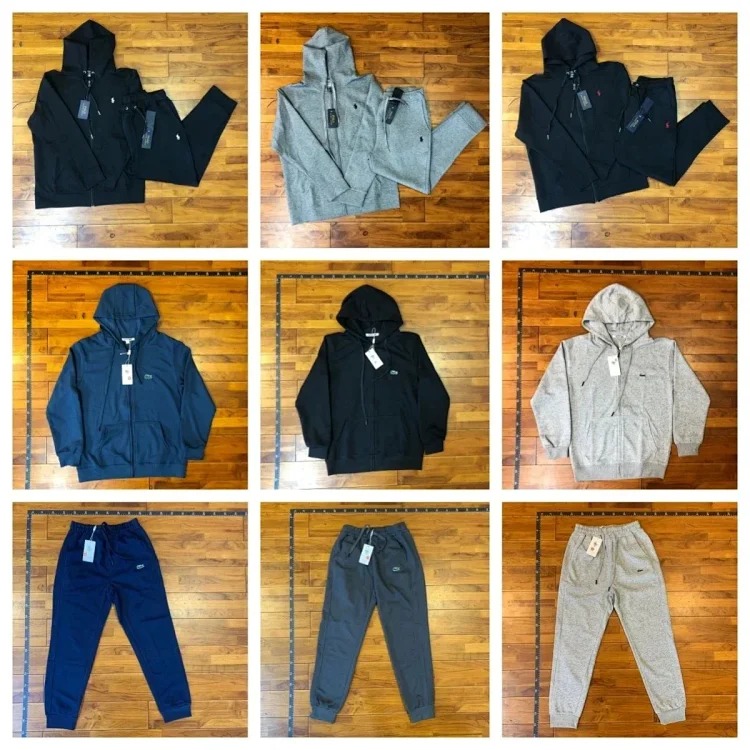
 Fashion suitSet-content research →
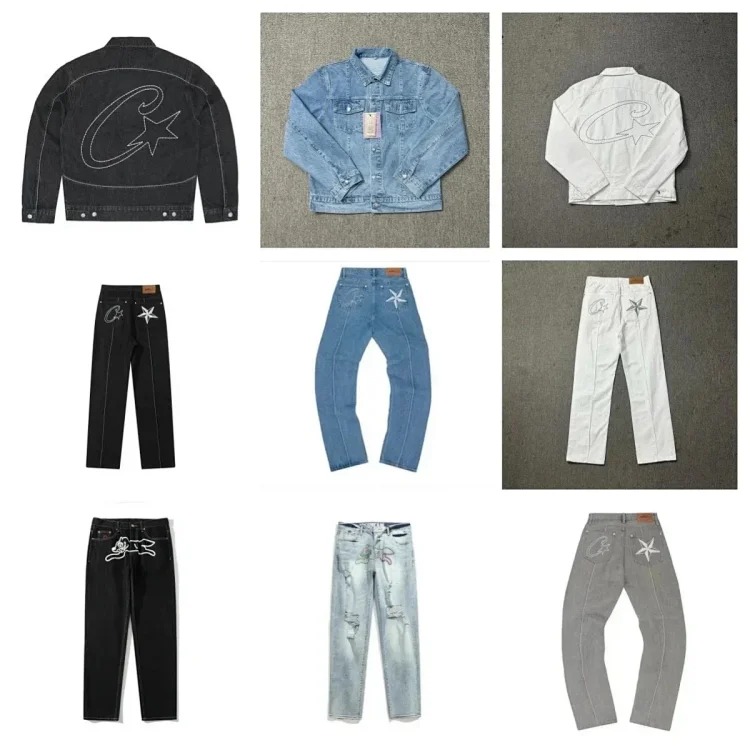 Trousers selectionVariant research →
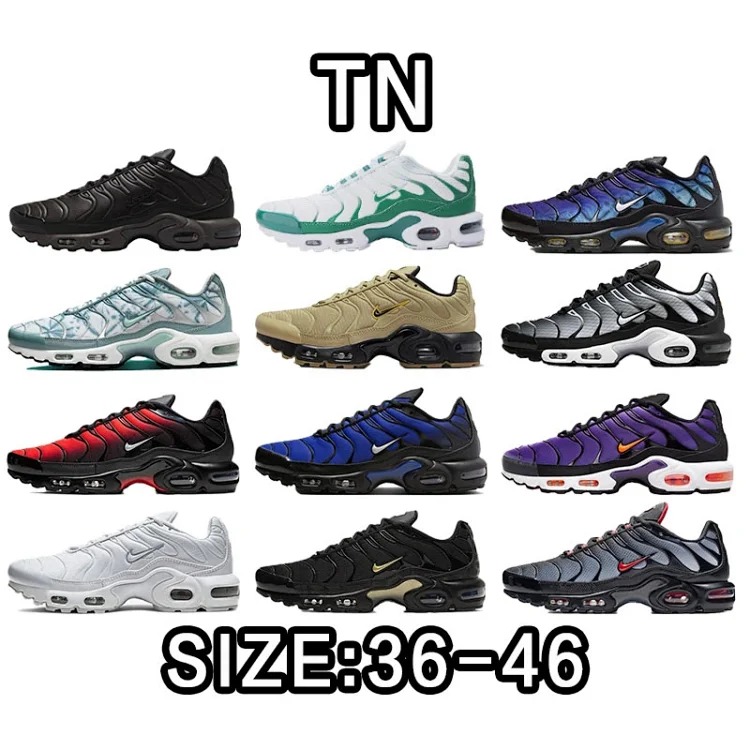 Plus-style sneakersSize research →
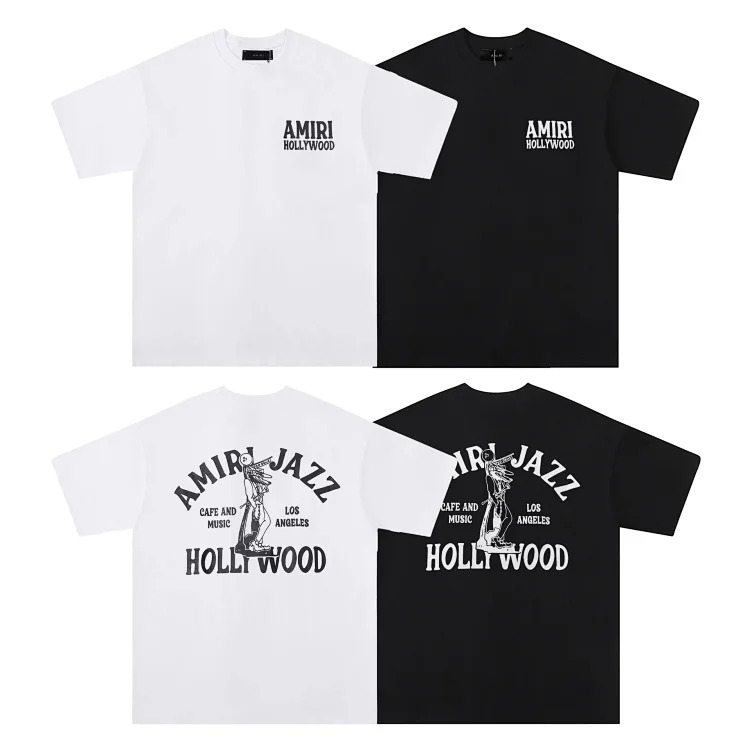 Printed cotton shirtFabric research →
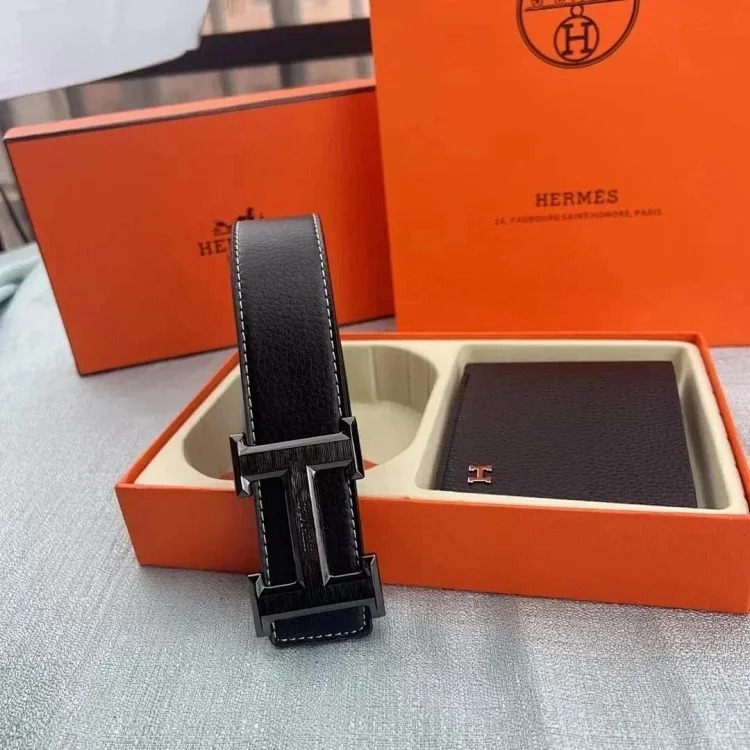 Gift-box beltHardware research →
Separate seller signals from attractive listing signals
Good LoveGoBuy seller research begins by separating what the page proves from what it merely suggests. A polished cover photo can show the intended design, but it does not prove that the current variant, size, material, or accessory package matches that image. Record the direct OutfitReps URL, listing title, category, displayed price, update date if visible, option names, image count, size information, and seller information. Save the date of your review because product pages can change between research and purchase.
Look for consistency across the listing. The title, gallery, option selector, size chart, material description, and package notes should describe the same item. A fashion suit needs an explicit statement about which pieces are included. A trousers listing should make clear whether the selectable option is trousers alone or part of a coordinated set. Sneakers require a size run and an identifiable model or colorway. A printed shirt needs usable fabric and measurement information. A gift-box belt should explain belt length, width, buckle choice, and whether the box is actually included.
Treat missing information as uncertainty, not as a negative verdict or an invitation to guess. Write each unknown as a question that a shopping agent can send to the seller. Useful questions are narrow: “Does option P-0084 include both the top and trousers?” “Is size 43 based on EU sizing, and what is the insole length?” “Is the belt length measured including the buckle?” A precise question creates a checkable answer and a useful seller record.
Seller claims also have different strength. A material name is a claim until the delivered product or reliable evidence supports it. A size chart is more useful when the measurement method is shown. A dispatch estimate matters only if the seller confirms current stock. Sales volume, badges, or favorable comments can provide context, but they cannot replace variant confirmation, measurements, and warehouse QC. Research should reduce practical ordering risk rather than create a score that looks scientific.
Build a seller record for five different product types
For the fashion suit, identify every included piece and whether the displayed price changes by option. Record color, size, fabric claim, top length, chest, shoulder, sleeve, trouser waist, rise, inseam, and outseam. If top and bottom cannot be selected separately, note that limitation before ordering. Ask whether the photographed accessories are styling props. Save any seller answer beside the exact option text so the agent can reference it if the warehouse receives an incomplete set.
For the trousers selection, determine whether the page combines several related garments. Option images and abbreviated names can cause mistakes when submitted through an agent form. Copy the exact desired option, then describe it in plain language: garment type, color, size, quantity, and expected components. Compare the seller chart with flat measurements from trousers that already fit. Waist, rise, thigh, inseam, outseam, and leg opening provide much more guidance than height and weight recommendations alone.
Sneaker research starts with the exact model, colorway, and size system. Record the foot length and the removable insole length from a comfortable pair. Ask whether the seller can provide an insole measurement for the selected size. Note whether a box, spare laces, tags, or accessories are included, but decide whether they matter enough to affect shipping. Seller photos may show several versions, so the order note should repeat the chosen image or option name rather than rely on a generic shoe title.
For the printed cotton shirt, check whether the material is stated as a composition or only described loosely. Record the selected print, color, size, shoulder, chest, body length, sleeve length, and hem width. Study close-ups for print placement, collar construction, seams, and labels. If different gallery images show different proportions or graphics, ask which one represents the current batch. A seller who answers clearly helps reduce ambiguity, although the warehouse still needs to verify the received item.
The gift-box belt requires different evidence. Record total strap length, usable hole range, strap width, buckle dimensions, leather or synthetic-material claim, buckle finish, color, and package contents. Confirm whether the belt can be shortened and whether the selected buckle matches the option photo. Gift packaging can add volume and may arrive damaged, so note whether it is essential or disposable. These five records should use one shared structure while preserving product-specific questions.
Convert seller research into agent notes and warehouse QC
When a product survives research, convert the record into a concise agent order note. Include the direct link, exact option text, plain-language description, size, color, quantity, required contents, and any seller-confirmed detail. Separate “must match” requirements from optional preferences. Keep screenshots only as supporting evidence; the live link and text record should remain primary because a cropped image can hide option context.
Track the agent route from link submission through purchase, domestic tracking, warehouse arrival, QC review, return deadline, parcel planning, and international dispatch. Save seller chat answers and the date they were received. If the agent cannot confirm a critical point before buying, pause instead of transferring the uncertainty to warehouse inspection. Some mistakes, such as an unsuitable size system or missing set piece, are cheaper to prevent than to return.
Write the QC request before the item reaches the warehouse. For the suit, request all pieces together, then front, back, labels, seams, closures, pockets, hems, and measurement photos for both garments. For trousers, inspect waistband symmetry, rise, pockets, seams, leg shape, and the complete ruler paths. For sneakers, request both lateral and medial sides, toes, heels, soles, tongues, labels, insoles, and an insole-length measurement. Compare the pair for shape and color consistency.
For the shirt, request front, back, collar, print, labels, stitching, and flat chest and length measurements. Warehouse lighting can alter color, so ask for a neutral-light image when shade is important. For the belt, inspect the complete strap, edges, holes, buckle, attachment screws, markings, package contents, and length against a ruler. QC can establish visible condition, identity, quantity, and dimensions; it cannot prove every material or durability claim.
Classify the result as approve, request more evidence, return, or accept with a recorded minor issue. Wrong variants, missing components, broken hardware, major measurement differences, stains, and serious construction faults are objective reasons to act. Decide before the domestic return window closes. Keep the seller record, order note, QC evidence, and decision together so future research can identify which seller signals actually predicted a satisfactory outcome.
Account for shipping, returns, and long-term link quality
Seller research is incomplete without shipping consequences. Estimate landed cost from item price, domestic delivery, agent fees, optional QC, return costs, packing, chargeable weight, international freight, insurance, and possible taxes. The suit and trousers may compress but add garment weight. Sneakers occupy volumetric space and may need shape protection. A shirt is relatively simple to pack. A belt box can increase volume even when the product itself is compact.
Ask the agent which routes accept the product and whether packaging changes are sensible. Removing a shoe or belt box can reduce volume, but it can also remove protection or an expected component. Vacuum packing may reduce soft-clothing volume while creating creases. Hardware should be wrapped so it does not damage adjacent products. When the expected parcel is close to a route threshold, request rehearsal packing or an estimated packed size before choosing the route.
Record return conditions before purchase: the domestic return period, whether the seller accepts size exchanges, who pays domestic return shipping, and which evidence is required. A seller answer is useful only if it is preserved and can be matched to the order. If a listing changes or disappears, the dated notes still explain what was selected and why. Reopen every saved OutfitReps link immediately before ordering to confirm that price, stock, options, seller details, and photos remain current.
After delivery, close the research loop. Compare actual fit, construction, included pieces, color, packaging, and landed cost with the seller record and warehouse QC. Mark which questions prevented mistakes, which claims were accurate, and which unknowns remained. Do not label a seller universally good or bad from one product. Instead, keep product-specific evidence and update the checklist. This creates a more reliable LoveGoBuy research board without pretending that past results guarantee future batches.
Continue with the LoveGoBuy Best Links home, browse the full guide archive, compare product groups in the category index, and review the quick shopping guide. For the next step after seller review, use the related LoveGoBuy QC Checklist. Product availability and seller information can change, so verify every link again before sending it to an agent.