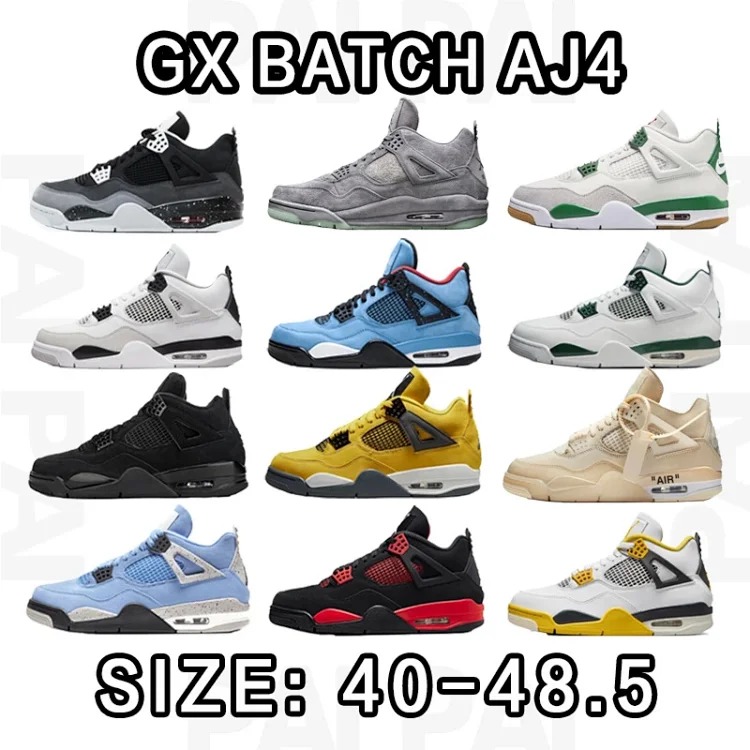
 Jordan GX batch J4Footwear comparison →
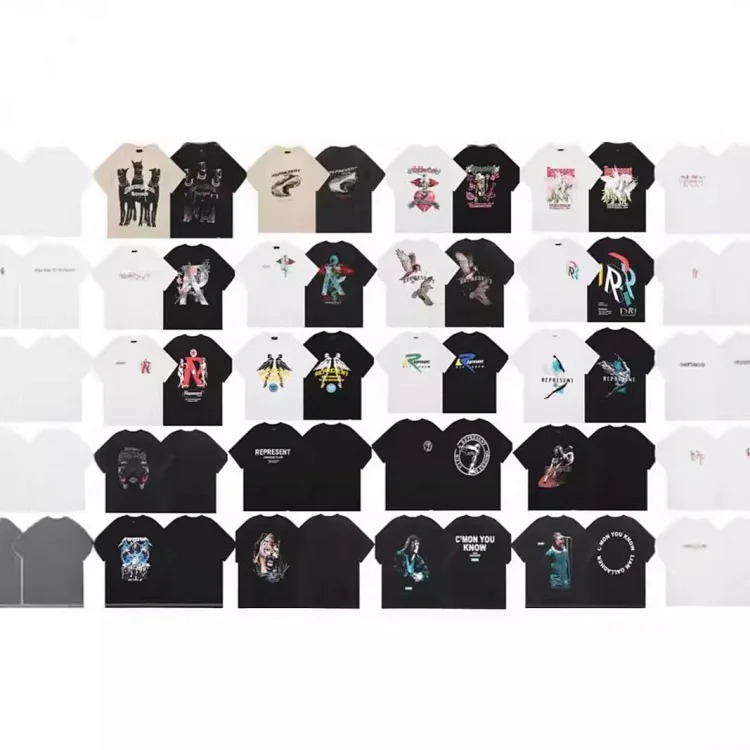 Tee Jet shirtFabric and fit →
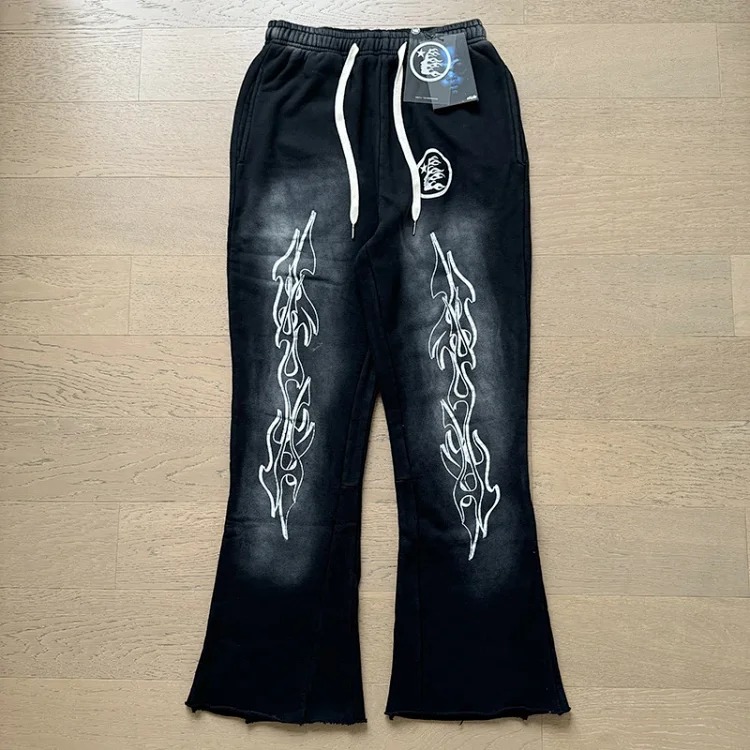 Helr sweatpantsMeasurement comparison →
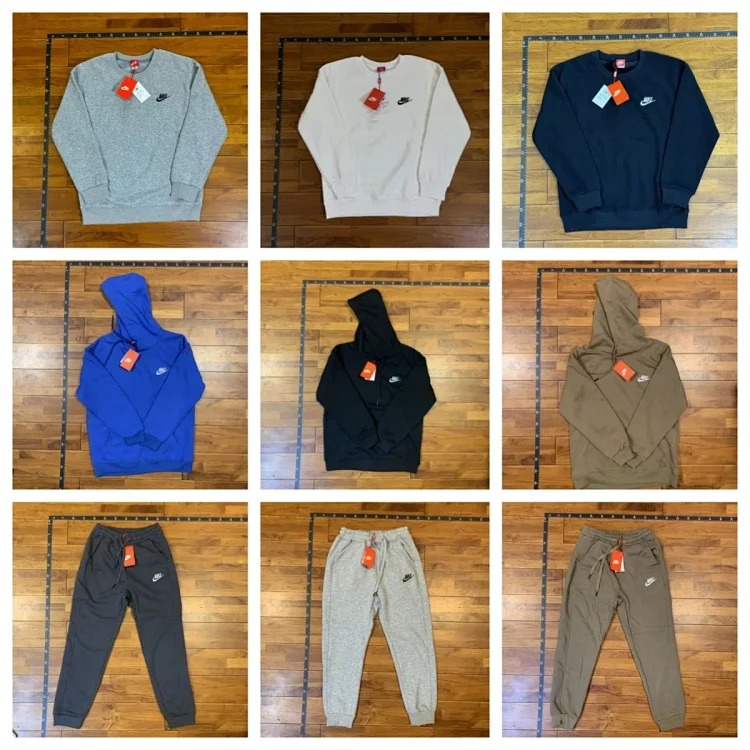
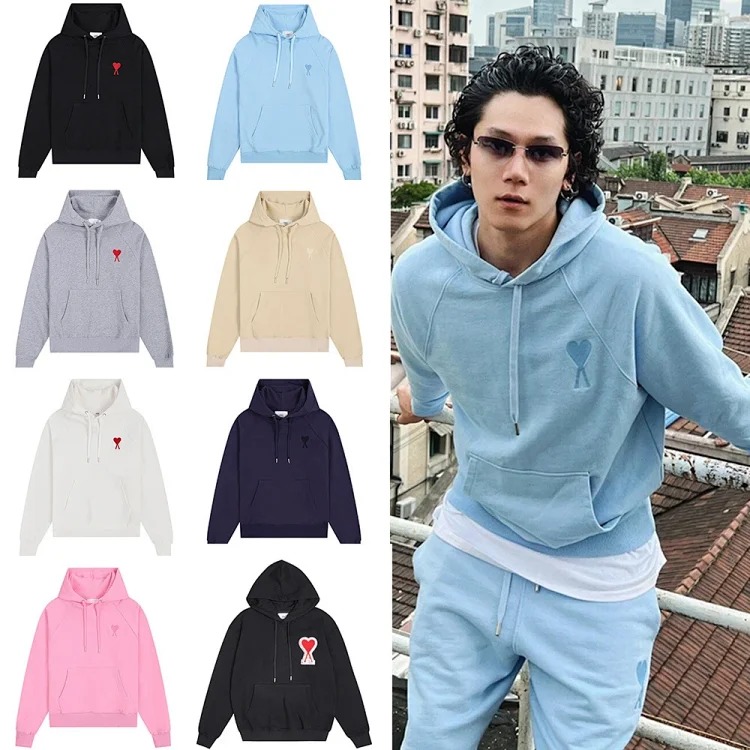 Heart hoodieLayering and detail →
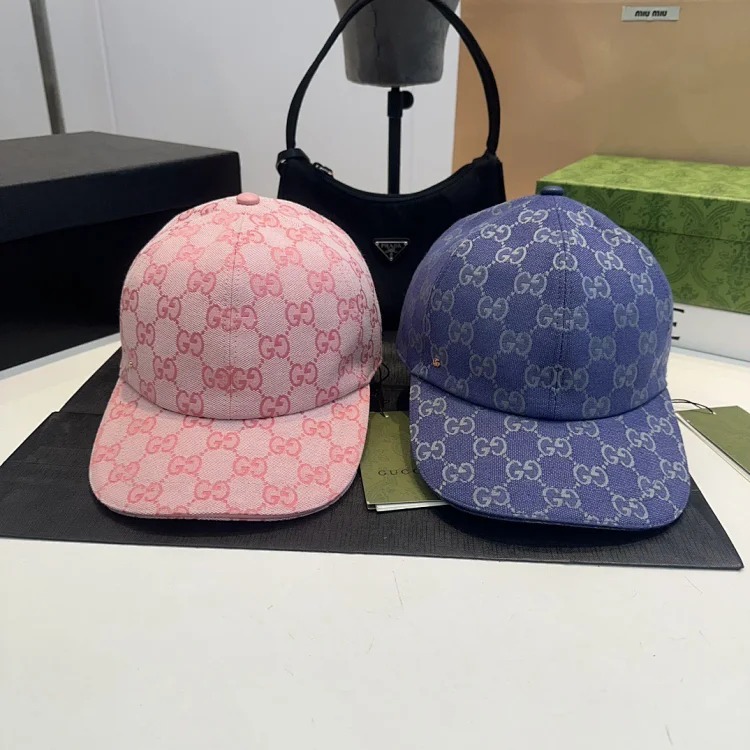 Gu baseball capFit and construction →
Start with a question and a comparison brief
Begin each research session with a decision you need to make. “Find a comfortable everyday sneaker below my budget” is actionable; “look for good shoes” is not. Write down the intended use, climate, fit preference, acceptable price range, and any nonnegotiable feature. For autumn, a hoodie or midweight sweatshirt may be more relevant than a summer-only garment, while footwear and a simple base layer can remain useful across seasons. A clear brief keeps interesting but unsuitable products from filling the board.
Use one row per specific listing and capture its direct OutfitReps URL, product title, category, current price, color or variant, visible size range, image count, seller information, and review date. Add columns for the question being answered, evidence already available, unresolved detail, QC request, agent note, shipping concern, and decision. Separate comparable facts from personal impressions. “Chest measures 58 cm in the size chart” is a fact to verify; “looks oversized” is a styling impression.
Compare a small set of candidates against the same criteria instead of browsing indefinitely. A sneaker comparison may weigh size range, insole evidence, sole profile, construction details, and box requirements. A T-shirt comparison can focus on fabric description, shoulder, chest, length, print placement, and collar. For sweatpants, record waist, rise, thigh, inseam, outseam, cuff, and fabric weight if the seller provides it. A seasonal hoodie deserves attention to layering room, body length, sleeve, and whether the material sounds suitable for the expected temperature. A baseball cap calls for crown depth, head circumference range, closure type, brim shape, logo placement, and any included packaging.
Assign each unknown a practical next action: inspect another image, ask the seller, measure an owned item, ask the agent to confirm a route, or remove the candidate. This keeps the board from becoming a collection of guesses. A product should move forward because it answers the brief and has an evidence plan, not merely because its first photo is appealing.
Collect listing and seller evidence consistently
Open the listing and compare its title, options, gallery, measurements, material wording, and package contents. Check whether the image represents the exact selectable version or only a similar color. When one page combines several styles, copy the exact option label and image reference into the row. For the Jordan GX batch J4 listing, identify the intended colorway and size system before comparing it with another shoe. Do not assume an EU number, seller size, or product nickname maps cleanly to your own usual fit.
For Tee Jet, check whether the page identifies fabric composition or only uses a generic fabric description. Record the shirt measurements and whether sizes are measured flat. For Helr sweatpants, make sure the size chart belongs to the current option; track elastic waist range separately from the garment’s relaxed waist measurement. For the heart hoodie, capture the exact color, print or embroidery details, garment thickness claims, and which variant photographs show. The Gu baseball cap needs different evidence: inner circumference, crown depth, closure adjustment range, brim shape, stitching, and whether the product is structured or soft at the front.
Judge seller evidence by how specific and consistent it is. A clear option list and measurement chart are useful signals. A response that directly confirms stock, package contents, or measurement method adds context. A generic assurance without details does not resolve a question. Save the seller’s answer, date, exact question, and related variant. Visible sales or feedback indicators may help you decide what to investigate, but they do not prove quality, current stock, or consistency across batches.
Ask concise questions that can be answered and checked: “Is the listed insole length measured from the inner shoe?” “Does this hoodie option have the chest embroidery shown in the second photo?” “Is the sweatpants waist measurement relaxed or stretched?” “What head circumference range does the cap closure fit?” If a detail affects comfort or value and remains unknown, mark it as a risk or choose another candidate. Do not turn an uncertain statement into a guaranteed product attribute in your own spreadsheet.
Finally, verify that the direct link still opens the intended page. Sellers may revise a listing, reorder images, remove colors, or change the description. Store a review date and reopen the page before submitting an agent order. Link checks are snapshots, not permanent guarantees.
Turn the shortlist into measurement and QC instructions
Use measurements from garments or shoes that already fit well. For a shirt, lay it flat and record chest width, shoulder width, body length, sleeve length, and hem width. For sweatpants, record waist relaxed and stretched if possible, rise, thigh, inseam, outseam, and leg opening. For the hoodie, compare chest, shoulder, sleeve, and back length with a layer you would wear underneath. For footwear and clogs, compare foot length and insole length, then consider width and toe shape. Do not choose a size using height and weight alone when the listing offers actual dimensions.
Write the chosen variant in plain language for the agent: exact product link, category, color, option name, size system, selected size, quantity, and any confirmed package details. Add one sentence describing what must match. Avoid instructions such as “same as picture” when the gallery contains several versions. Instead, specify “black color, option B, size 43 EU if confirmed by the seller,” then ask the agent to pause if the option name or sizing system differs.
Plan warehouse QC before purchase. For the sneaker, request photographs of both sides, toe boxes, heels, soles, labels, insoles, and the box only if it matters. Ask for a ruler measurement of the insole and check that both shoes appear consistent. For the T-shirt, request front, back, print, collar, labels, stitching, and flat chest and length measurements. For sweatpants, ask for waistband, pockets, seams, cuffs, and ruler photos along the exact measurement paths. For the hoodie, request front, back, artwork detail, interior fabric, labels, seams, cuffs, hem, and measurements.
For the cap, inspect the crown from front and side, brim curve, closure, stitching, logo placement, inner band, labels, and any visible flaws. Ask for a flat brim measurement and crown depth if fit is sensitive. QC can establish visible condition, quantity, variant, and dimensions; it cannot prove every material claim or how the item will feel after extended wear. Define what would trigger a return before the warehouse deadline: wrong variant, missing part, major measurement difference, broken component, stain, or obvious construction defect. If the photos do not answer a critical question, request additional evidence while the agent can still act.
Track agent route, shipping, and the final decision
Keep the order record connected to its route: submitted link, agent purchase, seller dispatch, domestic tracking, warehouse arrival, QC approval, return window, parcel packing, and international shipment. The route affects which checks are possible and how quickly a problem can be corrected. Confirm that the agent can purchase from the seller and that the intended product type is eligible for the route you are considering. Do not treat a warehouse arrival as proof that every listed option or seller promise was fulfilled.
Estimate landed cost rather than comparing item prices alone. Include item price, domestic delivery, agent service charges, optional QC, possible return shipping, packing, volumetric or actual parcel weight, international freight, insurance, and potential taxes. Shoes and clogs may take more parcel volume than their weight suggests. A hoodie can add weight and bulk, while a shirt compresses more easily. Ask about rehearsal packing if a box or bulky packaging might change the route bracket.
Record whether the shoe box, hoodie tags, or product packaging matters to you. Removing packaging can reduce volume but may reduce protection or remove something you expected. Group items only after checking route eligibility, restricted-item rules, and destination requirements. The agent should confirm the available service and any relevant packaging limits; policies can vary and can change.
At the end of research, choose one of four statuses: shortlist, ask seller, wait for more evidence, or reject. Add the reason and next review date. Before order submission, reopen the page, reconfirm option and price, paste the clear agent note, and preserve seller responses. After delivery, compare the actual item with listing evidence, QC photos, measurements, route, and landed cost. Update the board with what proved accurate and what did not. Over time, this turns a LoveGoBuy product research workflow into a practical record of decisions rather than a promise that past sellers or batches will behave the same way again.
Continue from the LoveGoBuy Best Links home, open the full guide archive, browse the product category index, and revisit the quick shopping guide. For related checks, read the LoveGoBuy Seller Research guide and the LoveGoBuy QC Checklist. Recheck each OutfitReps page before an order because stock, seller information, options, and images can change.