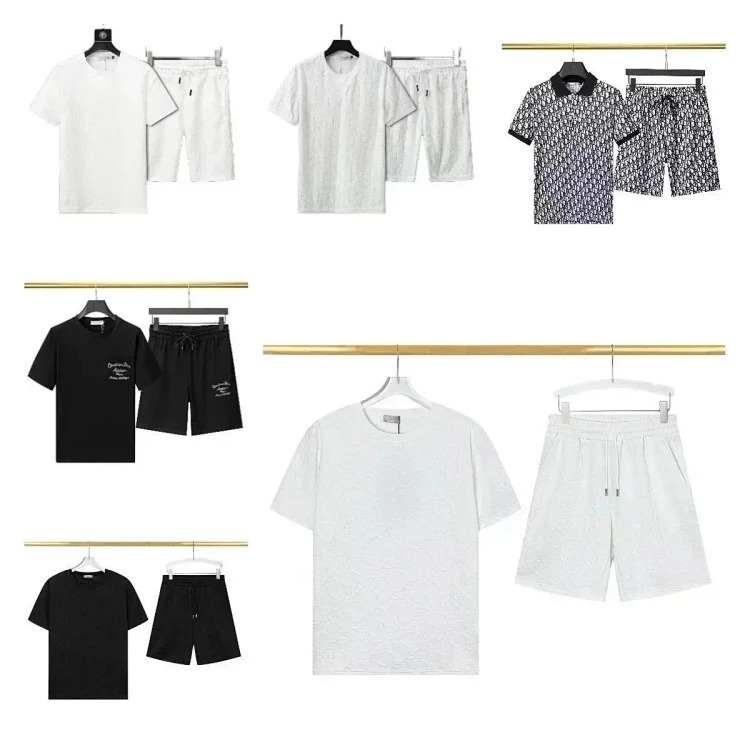
Summer short-sleeved set
Check shirt and shorts as two separate pieces, color consistency, print position, elastic waist, chest, and outseam.
View productTurn warehouse pictures into an evidence-based approve, exchange, or return decision instead of judging one attractive angle.
LoveGoBuy QC photos are most useful when every image answers a specific question. A warehouse photo is not a professional product shoot, and it cannot prove every detail about fabric, comfort, or durability. It can, however, show whether the received garment resembles the listing, whether its measurements match your plan, and whether obvious construction problems deserve a closer look. This guide gives international buyers a repeatable framework for reviewing clothing before an agent ships a parcel.
Start by saving the product page, selected color, stated size, seller information, price, and order notes in your research record. Then compare the warehouse set against that record rather than against memory. The goal is not to demand impossible perfection from compressed photographs. The goal is to identify meaningful differences that affect fit, appearance, function, or resale value. If evidence is missing, request one targeted photograph or measurement instead of asking for a vague “better QC.”
A basic clothing set should include a full front, full back, label area, and measurement views. The garment should lie flat on a reasonably neutral surface, with sleeves and hems visible. For tops, request chest width, body length, shoulder width, and sleeve length when fit matters. For trousers, prioritize waist, rise, inseam, thigh width, and leg opening. The measuring tape must begin at the correct seam and remain straight. A photograph showing only part of the tape is evidence of neither the starting point nor the final number.
Ask for detail photos only where they change the decision. Useful targets include embroidery edges, print alignment, zipper teeth, snap hardware, pocket placement, cuff ribbing, collar shape, and care labels. A close-up of an unrelated logo does not compensate for a missing length measurement. The full view establishes proportion; the detail view tests execution. Keep those two roles separate.
Lighting deserves attention. Strong warm light can turn white into cream, while a dark surface can make navy look black. Compare repeated areas across several photographs and use known neutral objects, such as the measuring tape or warehouse background, as rough references. Do not reject an item for color alone when every image shares the same color cast. Instead, request a daylight or neutral-light photo and name the exact color question.
The following OutfitReps examples are deliberately different styles. They are not a promise about final quality; each is a practice case for matching the product type to the right QC evidence. Open the product detail page in the same tab and retain the listing images beside your warehouse images.
Check shirt and shorts as two separate pieces, color consistency, print position, elastic waist, chest, and outseam.
View product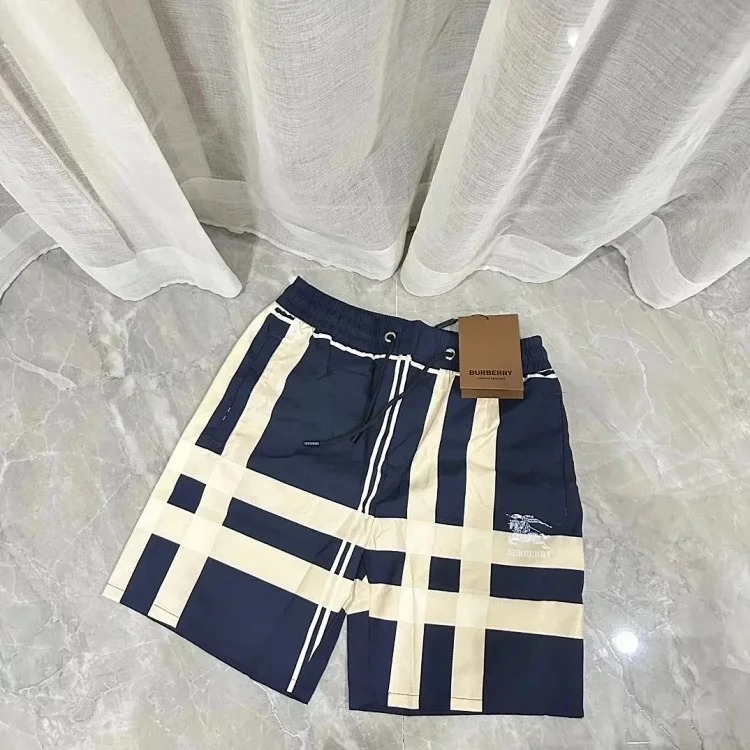
Check waist relaxation, rise, leg symmetry, pocket openings, drawstring path, inseam, and hem stitching.
View product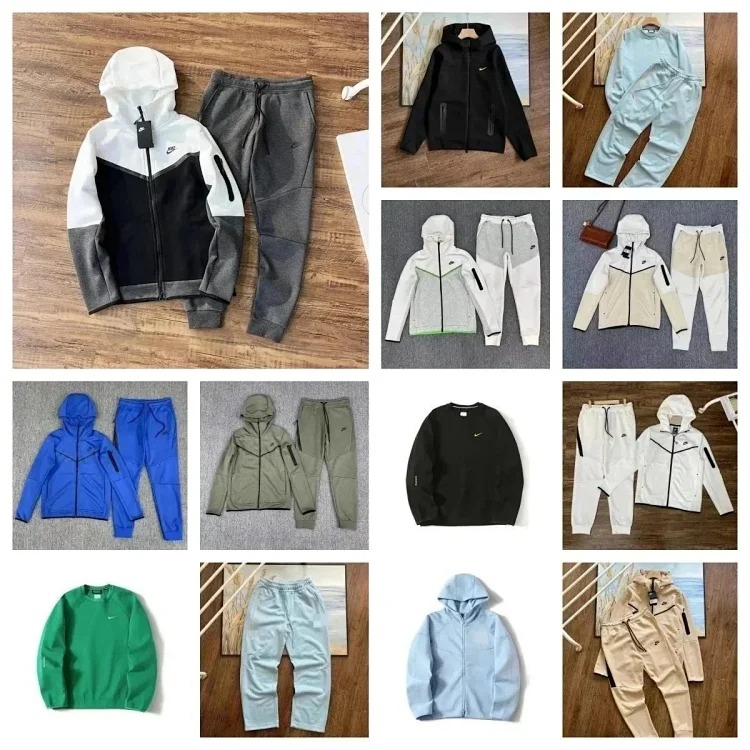
Compare both pieces, ribbing, hood shape, sleeve length, trouser length, and shade consistency.
View product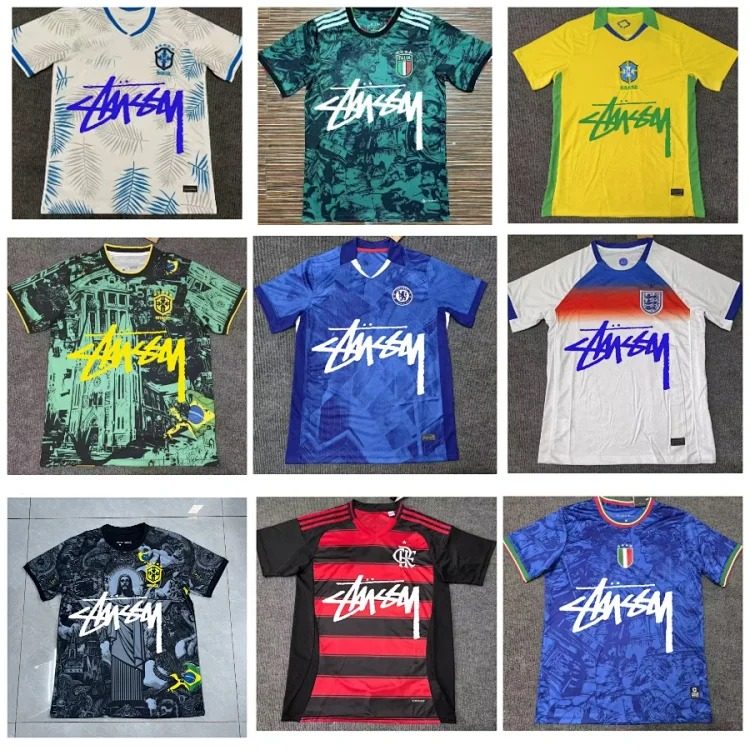
Inspect crest and sponsor placement, number alignment, collar shape, side panels, ventilation texture, and length.
View product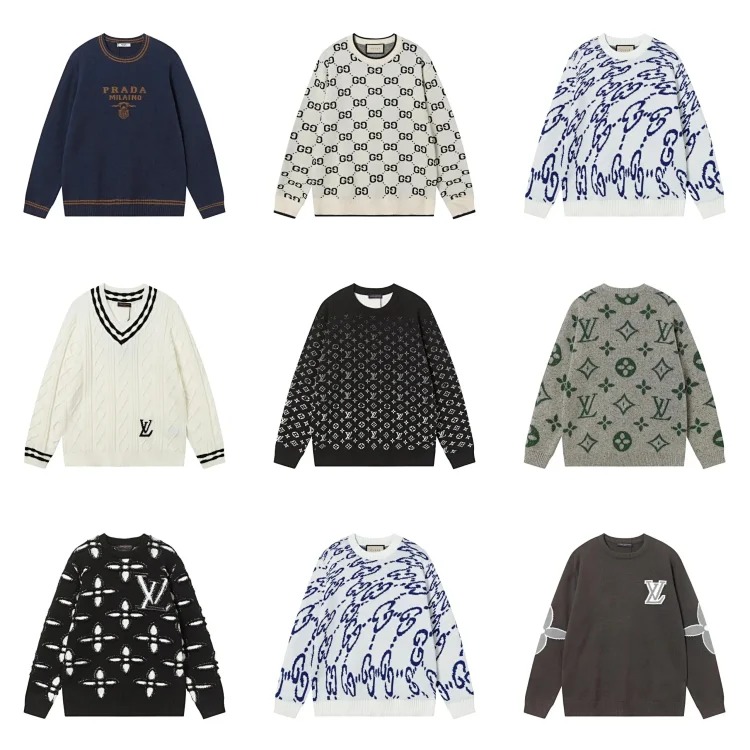
Check knit consistency, collar recovery, shoulder shape, cuffs, loose threads, chest width, and body length.
View productA set requires more evidence than a single garment because one piece can be correct while the other is wrong. A jersey demands alignment checks because visual elements create clear reference lines. A knitted sweater needs closer inspection of tension and snagging, while shorts need functional waist and pocket checks. Applying one generic checklist to every item wastes photos and can still miss the most important defect.
Fit begins with your own reference garment. Measure something you already wear comfortably using the same method shown in the warehouse photo. Compare garment-to-garment, not body measurement directly to a flat width unless you understand the conversion and desired ease. Allow for fabric behavior: a rigid jersey, soft knit, and elastic waistband do not fit identically even at similar flat dimensions. Size labels are identifiers, not reliable measurements.
Use a tolerance that matches the decision. A one-centimeter difference may come from tape placement or fabric settling, while a large difference in chest or length can change the silhouette. Record expected, observed, and acceptable ranges before inspecting the photos. That prevents moving the standard after seeing an item you already want to keep. If a measurement is borderline, request a clear retake with the garment flattened naturally, not stretched.
Construction evidence concerns whether the item is assembled consistently. Follow seams from end to end. Look for sudden waves, skipped stitches, open edges, twisted panels, mismatched lengths, and hardware that sits off-center. Zooming into every thread can make harmless finishing look catastrophic, so return to the full view and ask whether the issue is visible during normal wear or threatens function. A loose removable thread is different from a seam opening under tension.
For prints and embroidery, compare position relative to stable landmarks: neckline, placket, pocket, center seam, or side seam. Small listing-photo differences may reflect size grading, so focus on obvious rotation, clipping, or asymmetry. For patterned pieces, inspect whether panels meet cleanly where the design makes alignment important. Note that seller photos may be edited or photographed on another size; warehouse evidence should drive the final decision.
Review seller details before escalating. Confirm that the product link, ordered variation, and seller record correspond to the warehouse item. A wrong color caused by a selection mistake needs a different resolution from a seller shipping the wrong variation. Keep screenshots and transaction notes with your LoveGoBuy research board so an agent can understand the request without reconstructing the order history.
Create a simple evidence table when comparing several items. Give each garment one row and record the listing claim, warehouse observation, measurement difference, visible concern, and next action. Use neutral language such as “right sleeve appears approximately two centimeters shorter in the flat view” rather than assigning a cause the photograph cannot prove. Mark whether the concern appears in more than one angle. Repetition across independent views is stronger evidence than a single shadow, fold, or compressed thumbnail.
Also inspect what is not shown. If the listing emphasizes a reversible panel, inside label, detachable part, special pocket, or particular closure, the standard warehouse set may omit the feature entirely. Add it to the requested-photo list before approval. For dark garments, a slightly increased exposure can reveal seam paths and surface damage; for pale garments, ask for a clear view of stains around cuffs, collar, and hem. Save the original-resolution images when the agent provides them, because messaging-app compression can hide thread breaks and texture. These habits turn the QC archive into a useful reference if the same seller or garment style appears in a later order.
Classify findings as pass, uncertain, or material problem. Pass means the evidence supports the order and minor variation falls within your tolerance. Uncertain means a specific missing photo or measurement could decide the case. A material problem means the wrong item, major sizing deviation, visible damage, unusable hardware, or clear construction fault. This language makes an agent workflow faster than emotional descriptions such as “looks bad.”
When requesting extra QC, write one short instruction per image: “Please measure chest pit to pit with garment flat,” or “Please photograph the front print straight from above.” Include an annotated reference only if it clarifies location. Check the agent’s deadline for return or exchange before waiting for extra photos. A perfect evidence set has little value if the seller return window closes while you deliberate.
Shipping enters the decision after approval. Ask for garment weight and consider whether boxes, hangers, or unnecessary packaging should be removed. Bulky sweatwear can increase volumetric weight even when the purchase price is modest. Delicate knitwear may benefit from a protective bag, while aggressive vacuum packing can crease structured prints or compress padded details. Route restrictions, insurance, declared value practices, and destination customs rules vary, so verify current agent guidance rather than relying on an old article.
Combine several approved items only after recording which QC set belongs to each order line. Before parcel submission, recheck item count, destination, shipping route, packaging request, and estimated charge. Keep the OutfitReps detail URL as the product reference, but understand that availability and seller information can change. A saved research record preserves the evidence you used even if the public listing later changes.
For additional planning, return to the LoveGoBuy homepage, browse all shopping guides, compare the agent route section, and use the quick shopping guide. The related LoveGoBuy QC checklist covers the broader pre-shipping decision, while this framework focuses on reading clothing photographs accurately.
The best LoveGoBuy QC photos workflow is consistent, limited, and decision-oriented. Confirm identity first, measure against a real reference garment, inspect the details that matter for that product type, and ask only for evidence capable of changing the outcome. That discipline reduces avoidable returns, prevents attractive listing images from overpowering warehouse facts, and creates cleaner records for future comparisons.