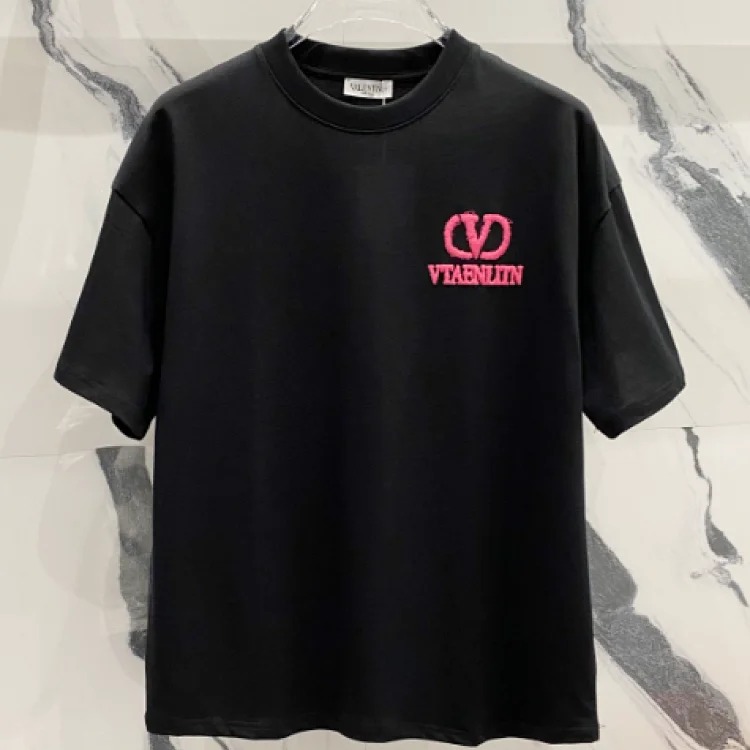
 Versatile short-sleeve topFabric and fit value check →
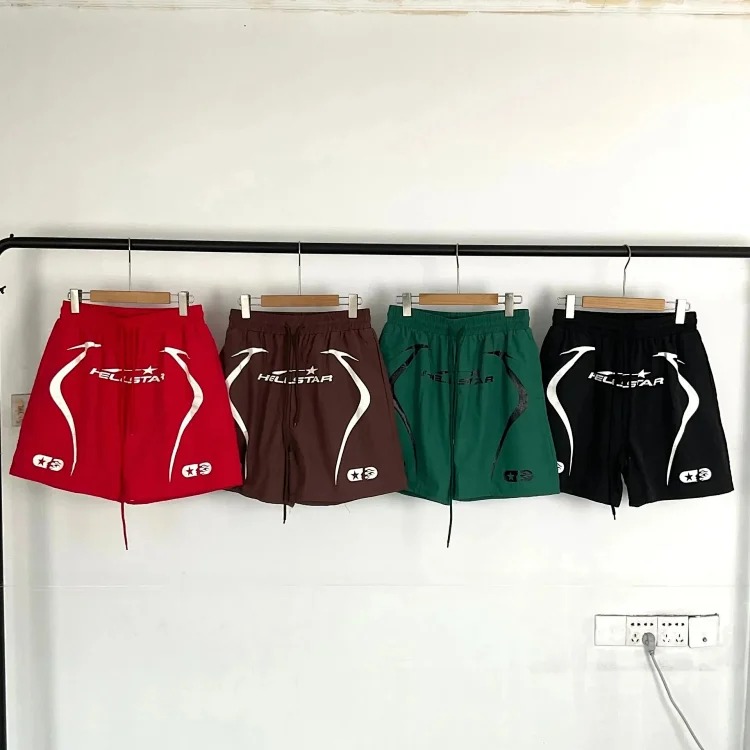 Printed casual shortsWaist and construction check →
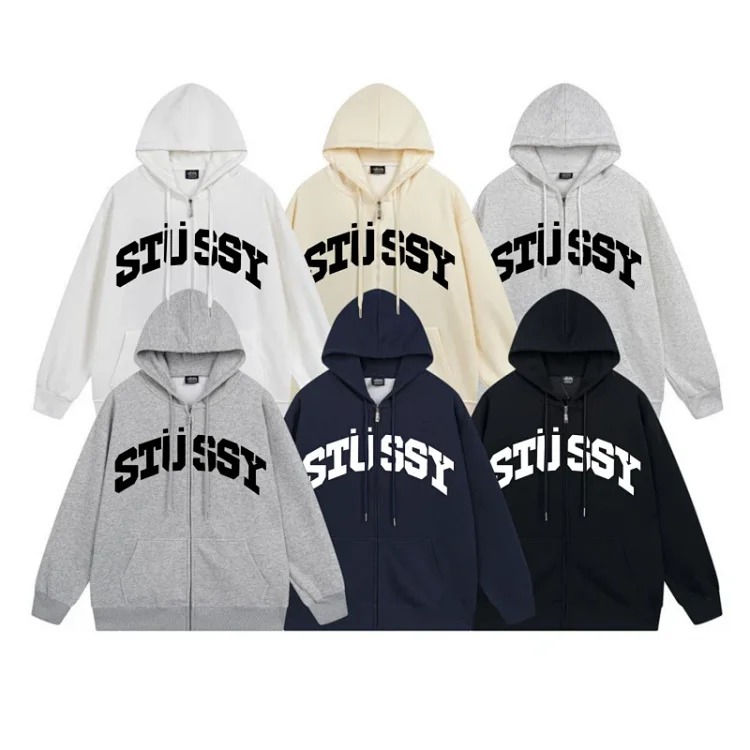 Simple versatile hoodieWeight and layering check →
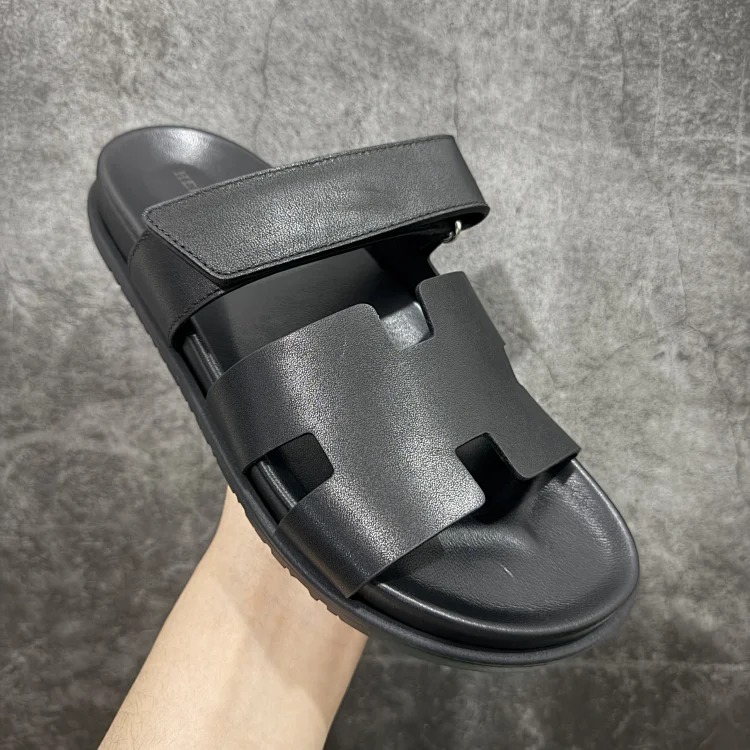 Structured bagHardware and capacity check →
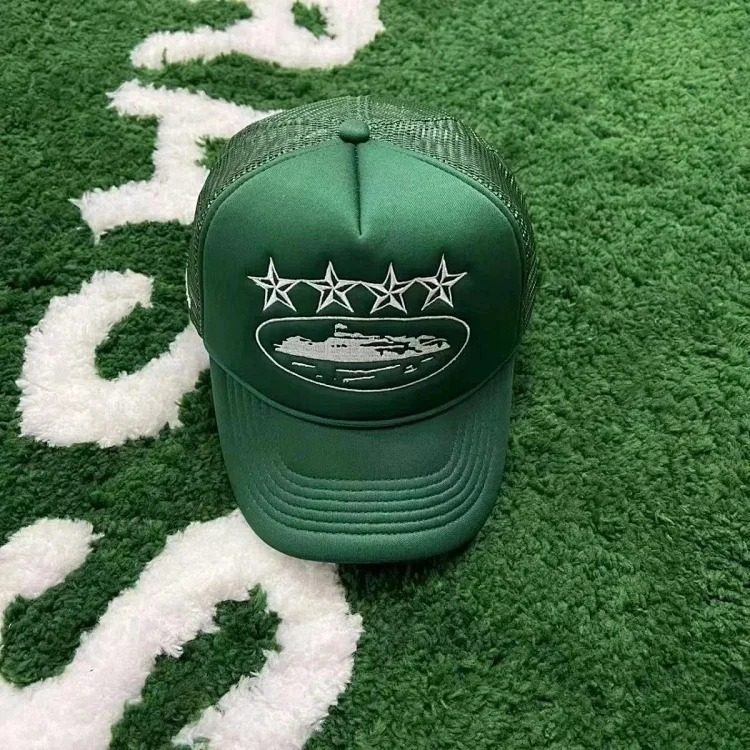 Versatile hatShape and circumference check →
Define budget value before comparing prices
A useful LoveGoBuy budget finds list does not rank products by the smallest number on the page. Value means the product solves a real wardrobe need, has enough evidence to assess risk, fits the intended body measurements, survives the agent route, and reaches the buyer at a sensible landed cost. A cheap item that cannot be measured, needs an expensive special route, or duplicates something already owned can be worse value than a higher-priced option with clear details and frequent wear potential.
Start with a one-sentence job for each candidate. The short-sleeve top should work as a breathable base for several outfits. The casual shorts should provide a reliable warm-weather bottom. The hoodie should add a reusable mid-layer. The structured bag should carry a defined daily load. The hat should fit the wearer's head and finish multiple looks. These five styles have different risk points, so compare each against its own job rather than forcing one universal score.
Record the live OutfitReps product link, displayed price, available variants, seller information, image count, stated measurements, material wording, and included accessories. Then grade evidence quality. A listing with front, back, side, detail, label, measurement, and packaging photos deserves more confidence than one polished thumbnail. Do not invent missing information. Mark it as unknown and ask the shopping agent a focused question. Uncertainty is a cost because it increases the chance of a return, exchange, or unusable purchase.
Price-per-wear is helpful only when the wear estimate is realistic. A simple hoodie used thirty times may deliver more value than a statement top worn twice. A bag used every commute may justify protective packaging. A hat that does not match the buyer's head circumference has almost no practical value regardless of price. Estimate a conservative number of wears for the first season and write why. This prevents excitement from turning a speculative find into an imaginary bargain.
Compare materials, measurements, and QC evidence by category
For the short-sleeve top, inspect fabric surface, collar recovery, shoulder construction, sleeve opening, hem, print or embroidery placement, and side-seam alignment. Ask for actual shoulder, chest, body length, and sleeve measurements. Compare them with a similar garment that already fits, laid flat using the same method. A size label is not a measurement. If the listing uses only height-and-weight recommendations, treat them as secondary guidance because body proportions and preferred ease vary.
For the shorts, record relaxed and stretched waist, rise, inseam, outseam, thigh width, leg opening, pocket construction, and drawstring or closure details. Warehouse QC photos should show the whole front and back, waistband, interior label, print alignment, pockets, and hems. Ask for a flat waist measurement without pulling unless stretch is being measured separately. Shorts can look inexpensive but become poor value if the rise is uncomfortable, the pockets are shallow, or the side graphics twist.
The hoodie needs shoulder, chest, body length, sleeve length, cuff, and hem measurements, plus a useful fabric-weight description. Examine hood shape, drawstring path, pocket symmetry, ribbing, zipper alignment when applicable, and interior finish. A heavier hoodie may increase shipping cost, while a very light one may not serve the intended layering role. Compare the garment's expected use with the material evidence instead of assuming that thicker automatically means better.
For the structured bag, list body width, height, depth, opening width, handle drop, strap range, interior layout, closure type, and included package pieces. Request QC views of every side, base, interior, hardware, zipper track, strap attachments, and logos. Check whether paired hardware has the same finish and whether the body stands evenly. Packaging can protect shape but adds chargeable volume, so its value depends on whether presentation and structure matter to the buyer.
The hat requires internal circumference, crown depth, brim length, and adjustment range. Request straight front, rear, side, top, and underside photos. Review embroidery edges, panel symmetry, ventilation eyelets, sweatband stitching, closure hardware, and brim alignment. A product photo taken at an angle can hide a crooked front graphic. A ruler or flexible tape should follow a clearly defined path so the measurement can be compared with a hat the buyer already owns.
QC is not a search for microscopic perfection. Separate defects that affect use, identity, or durability from small presentation differences. Wrong color, wrong size, missing part, broken hardware, severe seam distortion, and major measurement error deserve action. Minor loose threads may be fixable. Decide acceptance limits before the photos arrive so the decision is based on evidence rather than the pressure of an item already sitting in the warehouse.
Calculate the agent route and landed cost
A budget comparison is incomplete without the full agent route. Track research link, order submission, seller purchase, domestic delivery, warehouse intake, QC review, optional rehearsal packing, international line, and final delivery. At every stage, keep the selected size, color, expected contents, and key measurements attached to the same order record. This prevents a low-priced product from becoming confusing when several similar items arrive together.
Build landed cost from item price, domestic shipping, service fees, payment conversion, optional photos, return or exchange risk, protective packaging, chargeable weight, international freight, insurance, and possible tax. Do not assign exact international shipping too early. First estimate a range using product type and packaging. The T-shirt and shorts may compress efficiently; the hoodie is bulkier; the bag may require shape protection; the hat can need a box or internal support. Volumetric weight can make a light item expensive when packaging is large.
Ask the agent which packaging changes are reversible and photograph the item before removal. Discarding a large presentation box may reduce volume, but it can remove protection or included parts. Folding a hat may save space but damage the brim. Compressing a hoodie is usually less risky, while hard bag hardware should be wrapped to avoid scratches. Value comes from the lowest sensible total cost, not the lowest freight number at any risk.
Seller details also affect the risk allowance. Save the seller identifier, listing date if available, variant confirmation, response from the agent, and any substitution policy. If colors ship randomly or the seller cannot confirm measurements, increase the risk score. If the listing has consistent images, clear options, and useful seller answers, the evidence is stronger. Never convert marketing language into a guarantee, and never redirect an unavailable product button to an unrelated item just to keep a card active.
Returns are part of the budget model. Before ordering, check the agent's domestic return window, whether the seller accepts returns, who pays domestic freight, and what evidence is needed. Review QC soon after warehouse arrival. Waiting can turn a fixable mismatch into a forced shipment. A product that costs slightly more but offers clear sizing and a workable return path may have better expected value than a cheaper no-return listing.
Use a repeatable LoveGoBuy decision score
Create a simple hundred-point score: twenty points for need and wear potential, twenty for measurement confidence, twenty for listing and seller evidence, twenty for QC and construction confidence, and twenty for landed-cost efficiency. Add written reasons beside every score. Do not use decimals to create false precision. The purpose is to expose weak assumptions. A candidate scoring well only because its item price is low should not outrank a product with better fit and evidence.
Set a decision rule before browsing: save for later, ask the agent, order for QC, approve, return, or reject. If a product lacks one essential measurement, move it to “ask” rather than guessing. If the warehouse evidence contradicts the selected variant, move it to “return.” If the landed cost exceeds the amount that makes sense for the planned use, reject it even when the item itself looks good. Consistent rules keep budget research from becoming impulse shopping.
After delivery, compare the real measurement, material, construction, packaging, and total cost with the research record. Note how often the product is used during the first month. This feedback improves future estimates and reveals which sellers, photo types, and agent routes produced reliable evidence. Budget skill grows from reviewing outcomes, not merely collecting more links.
Continue from the LoveGoBuy Best Links home, browse the full guide archive, compare options through the product categories, and review the quick shopping guide. For a deeper evidence checklist, read the related LoveGoBuy Product Research Board guide. Reopen each direct OutfitReps page before ordering because price, availability, variants, and seller details can change.