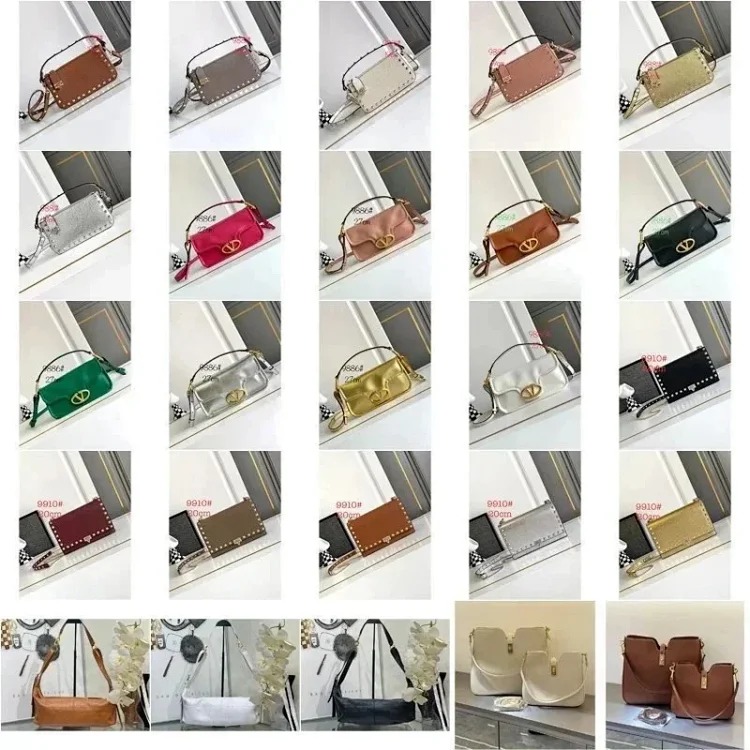
 Lightweight shoulder crossbody bagBag structure and strap check →
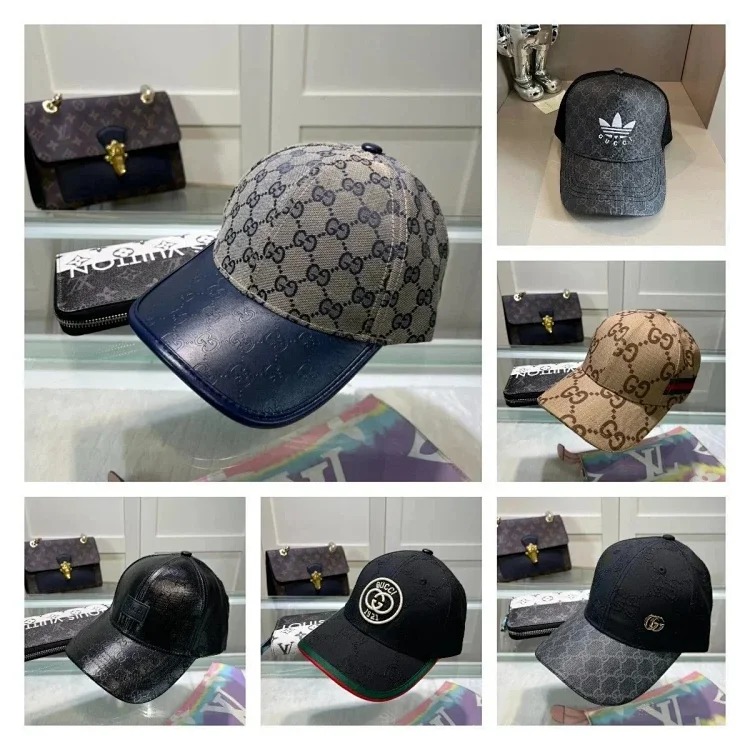 Versatile baseball capCrown, brim, and closure check →
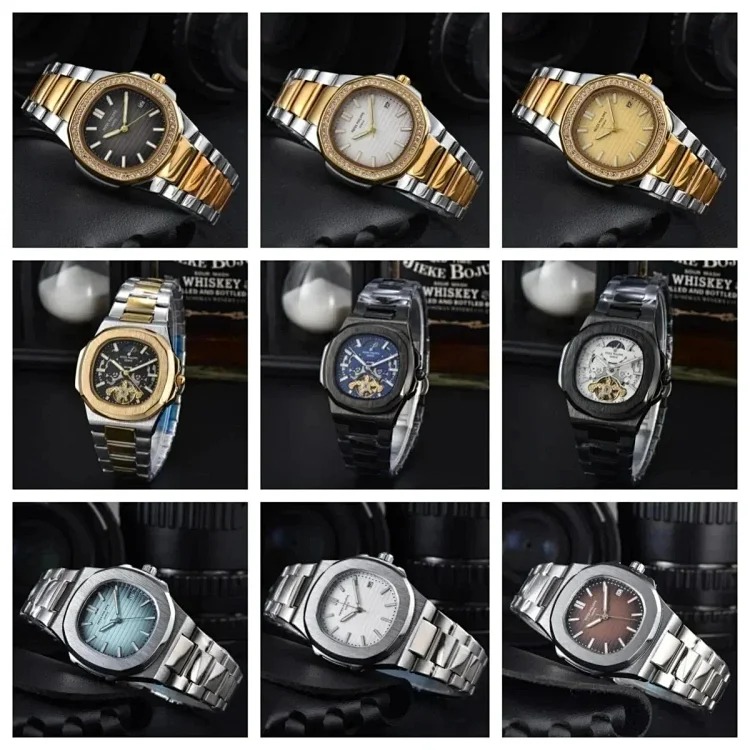 Fashion wristwatchDial and hardware check →
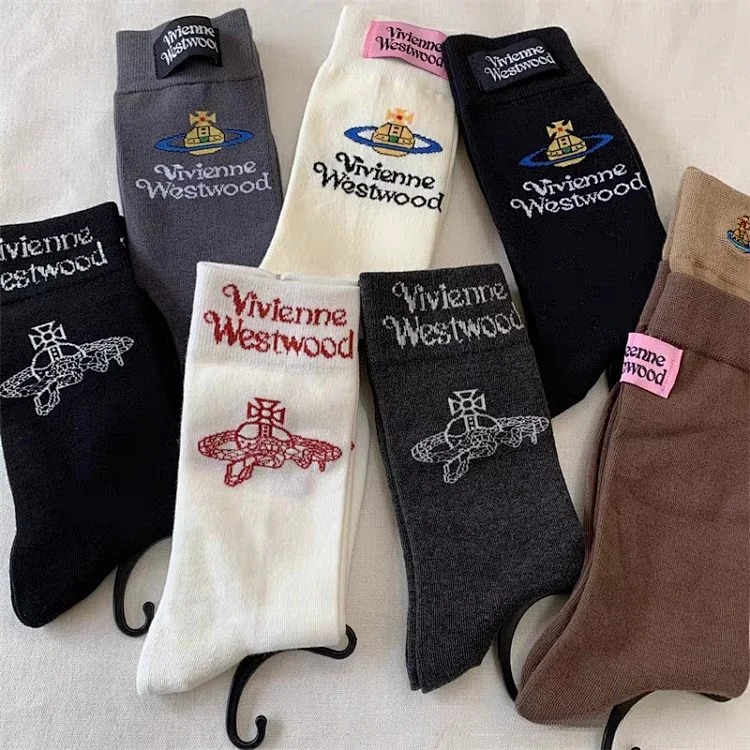 Patterned fashion stockingsKnit and sizing check →
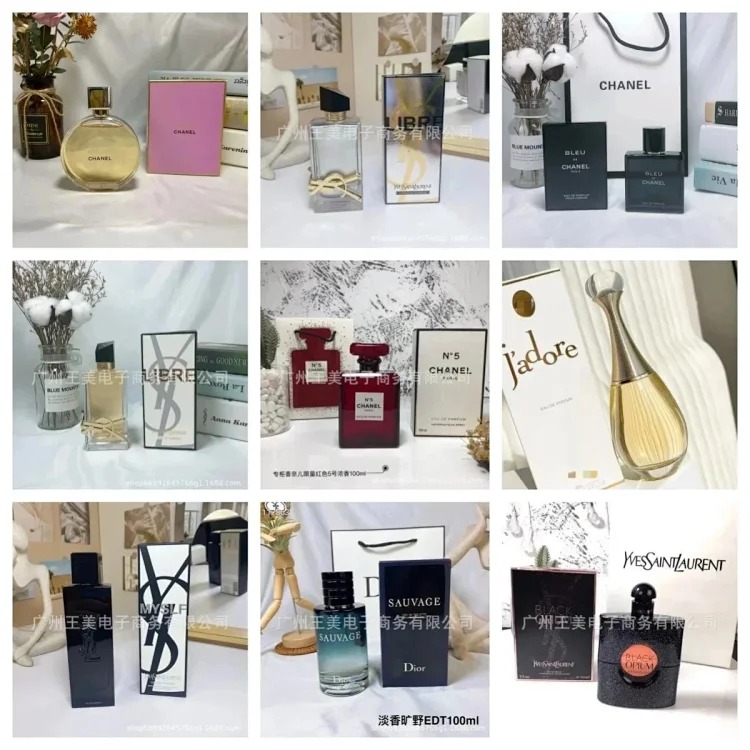 Fragrance sprayBottle and shipping check →
Start with the accessory's job, not the thumbnail
A useful LoveGoBuy accessories finds list begins with function. The crossbody bag must hold a realistic daily load, sit at the intended height, and close securely. The baseball cap must fit the wearer's head circumference and keep its shape. The watch must have readable dimensions, a wearable strap range, and hardware that appears aligned. Socks need understandable sizing and an elastic opening that will not distort the intended fit. Fragrance needs a clearly identified bottle size, intact packaging, and a shipping route that accepts liquids. These are five different product styles, so a single generic checklist will miss important risks.
Open each product detail page before saving a link. Record the product title, category, current image, available variants, stated dimensions, seller information, and any order notes. A listing title is only a label; the photos reveal the shape and finish. Compare every image for consistency. If the color, logo, closure, or package changes between photos, write a question for the shopping agent rather than assuming which version will arrive. Keep the direct OutfitReps URL in your research board so the evidence remains attached to the correct product.
For the shoulder bag, define what it should carry before judging scale. Measure a phone, wallet, keys, glasses case, and any other essential item, then compare their combined dimensions with the bag. Look for a clear top, side, back, base, interior, and strap photo. A wide-angle product image can make a small bag appear larger. The useful measurements are body width, height, depth, shortest and longest strap drop, opening width, and pocket dimensions. Check whether the strap is detachable, whether metal clips rotate smoothly, and whether the closure is a zipper, magnet, buckle, or open top.
For the cap, prioritize head circumference, crown depth, brim length, and the adjustment system. A visually similar cap can fit very differently if its crown is shallow or its brim is strongly curved. Inspect embroidery edges, letter spacing, ventilation eyelets, seam symmetry, sweatband attachment, and closure hardware. Ask whether a stated size is the cap's actual internal circumference or only a broad seller range. For the watch, record case diameter, case thickness, lug width, total strap length, clasp type, movement description, and stated water resistance. Treat water-resistance claims cautiously unless the seller provides dependable testing information.
Use product-specific QC photos and measurements
Warehouse QC should prove identity, condition, dimensions, and variant accuracy. Request a neutral overview plus close-ups that correspond to the risk points recorded before purchase. For the crossbody bag, ask for front, back, both sides, base, interior, label, zipper track, strap, attachment points, and hardware. Add a ruler photo across width and height and a separate depth measurement. The bag should sit flat without obvious twisting, the seams should follow straight paths, and paired hardware should match in color and orientation.
For the cap, request views from the front, rear, both sides, above, and underneath. The front panel should be centered, the brim should not lean to one side, and embroidery should not show missing stitches or loose thread bridges. Ask the agent to measure the internal circumference at a stated closure position, crown height, and brim length. A tape placed loosely over the outside is not equivalent to an internal fit measurement, so the photo method matters.
The watch needs a straight overhead dial image, case-back image, both strap sides, clasp, crown, and close-ups of indices and hands. Ask for case diameter and thickness beside a ruler or caliper, plus the wearable strap range. Confirm that protective film has not been mistaken for scratches, but also ask the warehouse to note chips, dust under the crystal, misaligned printing, or a crooked date window. A short video showing hand movement and crown operation can answer questions that still photos cannot.
Socks require a different approach. Confirm how many pairs or pieces are included, which color was selected, and whether the pattern is mirrored or intentionally asymmetrical. Request a flat, unstretched photo of each item together, then measurements for total length, foot length, and opening width. Inspect the toe seam, heel shaping, knit density, loose loops, stains, and elastic recovery. Avoid judging size only from the package label because one-size listings can vary considerably.
For fragrance, request sealed-box views from every side, the batch or production code if visible, bottle front and back, cap, atomizer area, fill level, and packaging condition. Do not ask warehouse staff to spray or open a factory-sealed item unless that tradeoff is acceptable. Liquid color can change with lighting, so identity should rely on multiple consistent signals rather than shade alone. A fragrance bottle also creates leak and breakage risks that do not apply to fabric accessories.
Check seller details, agent route, and shipping constraints
Seller details should form a small evidence record. Save the seller name or identifier, product URL, order date, chosen option, quoted price, promised contents, and any answers received through the shopping agent. If the title and images disagree, ask the agent to confirm the exact variant in writing. If the seller substitutes colors or ships random options, decide whether that policy is acceptable before payment. Do not turn vague seller language into a guarantee.
Build the agent route in stages: research link, submitted order, seller purchase, domestic tracking, warehouse arrival, QC review, rehearsal or parcel planning, and international shipment. At every stage, keep the same product label so a bag is not confused with a similar bag and a multi-pack of socks is not recorded as one piece. When the warehouse receives an item, compare its order number and variant against your original note before focusing on aesthetics.
Shipping decisions should reflect shape, weight, fragility, and restrictions. A cap can be crushed if packed flat, so ask for a protective insert or small box when shape matters. A structured bag may need internal filling, while a soft bag can often be compressed carefully. A watch should be protected from impact, and batteries may affect eligible routes. Fragrance is a liquid and may be restricted or rejected by many international lines; confirm acceptance with the agent before buying, not after it reaches the warehouse. Packaging removal can reduce weight but may also remove protection, serial information, or gift presentation.
Estimate landed cost rather than comparing item prices alone. Include domestic shipping, service fees, optional QC, protective packaging, chargeable weight, international freight, insurance, and possible taxes. Low-cost accessories can become inefficient when each requires separate protective packaging or a special route. Conversely, a lightweight pair of socks may add very little parcel weight. Ask for estimated packed dimensions and weight before final consolidation when cost is important.
Keep screenshots only as supporting evidence; use the live OutfitReps page for the current product. If a link stops resolving, do not redirect the button to an unrelated item. Mark the find as unavailable and research a replacement in the same category. This keeps the LoveGoBuy guide trustworthy and prevents a saved accessory card from silently becoming a different product.
Turn five different finds into a repeatable LoveGoBuy checklist
Use a compact worksheet for every candidate: product role, direct link, selected variant, seller record, key dimensions, essential QC views, acceptable tolerance, shipping constraints, and final decision. The bag might be approved only if its internal width fits a phone and the strap drop reaches a target range. The cap might require a centered front graphic and a verified internal circumference. The watch might require aligned markers and a usable strap length. Socks might require the promised quantity and clean knit. Fragrance might require sealed packaging and a confirmed liquid route.
Before approval, compare the warehouse evidence with the original product images side by side. Separate objective failures from preferences. Wrong variant, missing piece, damage, and major measurement error are objective. A color that feels slightly warmer under warehouse lighting may require more evidence. Ask one focused follow-up at a time, and keep the response with the order record. This makes returns or seller discussions clearer.
After delivery, measure the real item and compare it with both the listing and warehouse record. Note which photo angles were useful, which questions were unanswered, how packaging survived, and whether the agent route suited the product type. These observations improve the next research session. The goal is not merely to collect accessory links; it is to create a dependable method that becomes more accurate with every order.
Continue from the LoveGoBuy Best Links home, browse the complete guide archive, compare relevant choices through the product categories, and review the quick shopping guide. For deeper photo-review practice, read the related LoveGoBuy QC Photos framework. Always return to the direct OutfitReps product page before ordering because availability, variants, and seller details can change.