The best LoveGoBuy OutfitReps links are not simply the newest or most visually striking products. A useful find has a reachable detail page, a clear role, enough information for sizing research, specific QC priorities, and a shipping profile that still makes sense after agent and freight costs. International buyers have more stages between discovery and delivery, so a shortlist should reduce ambiguity before a link becomes an order.
This guide uses five different categories as working examples: a breathable short-sleeve top, a casual jacket, a hoodie, sports shorts, and a sneaker. They are not presented as a guaranteed outfit or quality ranking. Recheck every live OutfitReps page, option, price, and seller detail before purchase. Start at the LoveGoBuy Best Links Index, compare the category routes, and keep the quick shopping guide beside your research notes.
Choose LoveGoBuy OutfitReps links by purpose, not impulse
Define the wardrobe or usage problem first. A light top may fill a warm-weather rotation, a jacket may add an outer layer, a hoodie may support daily casual wear, shorts may serve training, and sneakers may complete a footwear gap. Record that purpose in one sentence. If a candidate does not answer it, archive the link even when the product image is attractive.
Use one row per product with category, exact OutfitReps URL, review date, visible seller information, selected option, requested size, expected measurements, image references, QC instructions, agent route, estimated weight, packaging choice, and landed-cost estimate. Separate confirmed information from questions. An unknown value should remain “unconfirmed” until the source or seller supplies an answer.
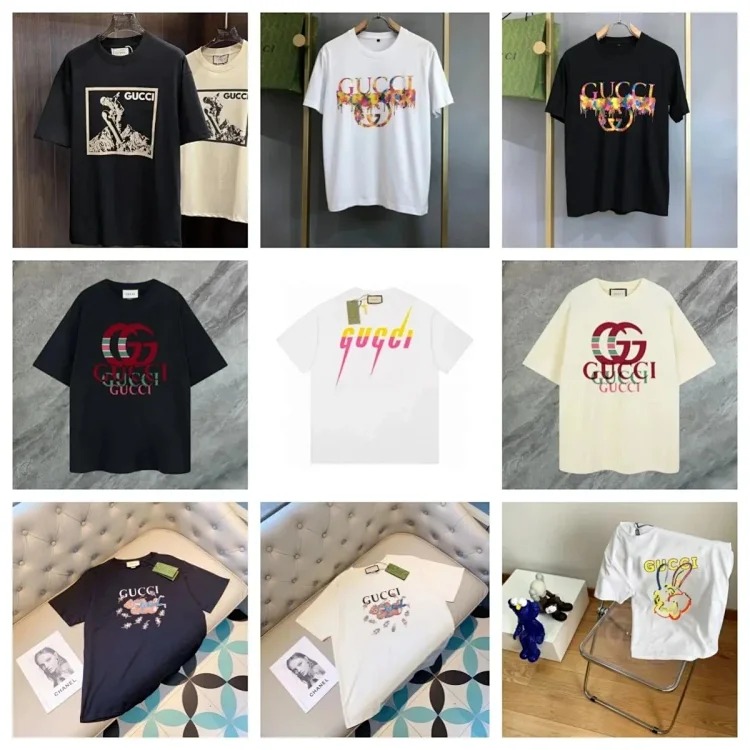 Breathable casual short-sleeved T-shirtLight top researchView product on OutfitReps →
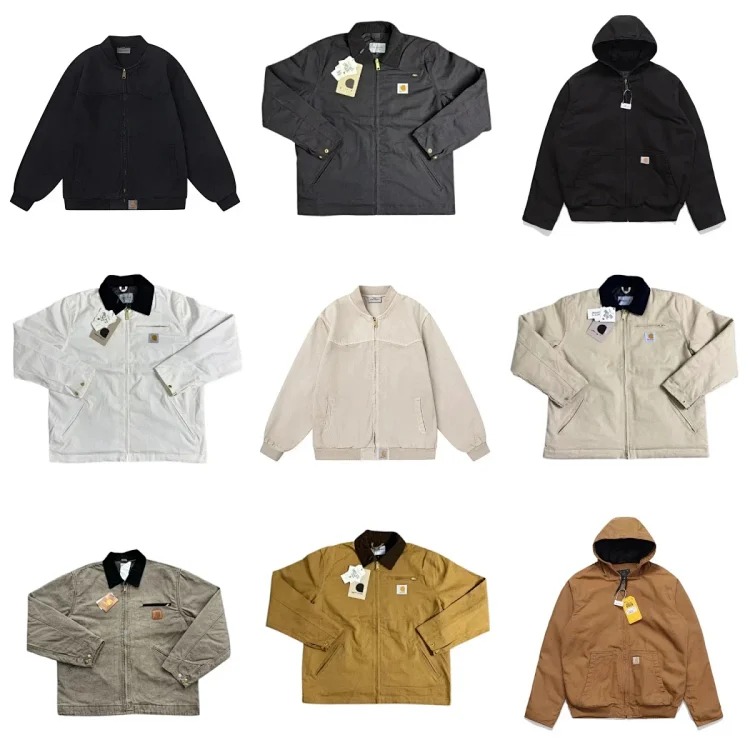 Comfortable casual jacketOuter layer researchView product on OutfitReps →
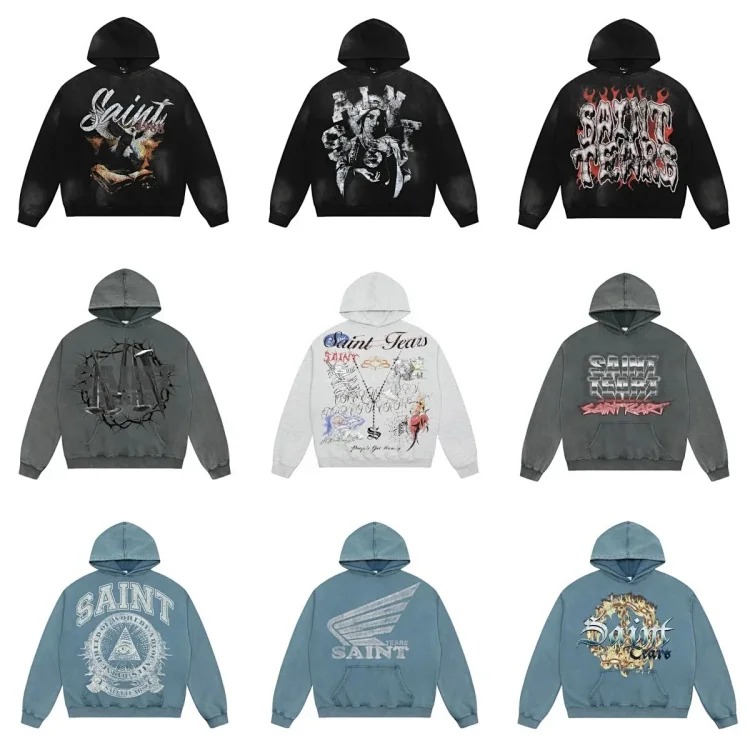 Stylish and versatile hoodieHoodie researchView product on OutfitReps →
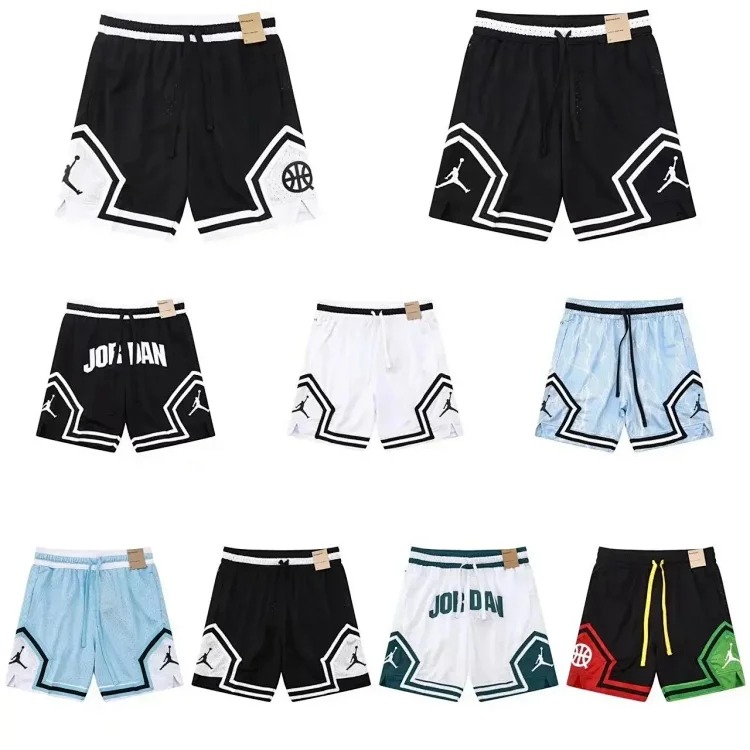 Summer casual sports shortsActive bottom researchView product on OutfitReps →
 Nike Air Max Plus TN sneakersFootwear researchView product on OutfitReps →
Limit active comparisons to two or three candidates for the same role. More links do not automatically create better research. Keep the strongest option, one useful alternative, and a written reason for rejecting the rest. Clear reasons such as missing measurements, ambiguous variants, excessive weight, or duplicate wardrobe function make future searches faster.
Check the date of every saved link before moving it into an agent cart. Product availability and option wording can change. If a detail page stops working, create a new row for a replacement rather than silently changing the URL in the old record. The original row explains what was reviewed and why it was replaced.
Compare sizing and QC evidence across five different finds
For the short-sleeve top, record shoulder, chest, body length, sleeve length, collar shape, fabric description, exact color, and any visible graphic or embroidery. Compare those numbers with a similar top that already fits. A warehouse QC request should show front, back, neckline, size tag, hem, priority detail, and flat measurements. Use full views for placement and close views for obvious marks or construction problems.
For the jacket, add expected layering room, closure type, pockets, cuffs, interior finish, and likely garment weight. Compare chest and sleeve measurements with an outer layer rather than a base tee. Request front, back, sides, collar, closures, pocket placement, size tag, and measurements. Distinguish packing wrinkles from visible damage, and ask for another angle when an essential area is hidden.
The hoodie requires hood shape, drawstrings, pocket construction, ribbed cuffs, waistband, zipper or pullover style, interior description, and expected weight. Confirm the exact option because similar colors or graphics may share one page. QC should verify the size tag, main design, front and back, pocket symmetry, ribbing, and flat measurements. Product weight also affects international shipping, so save the warehouse reading when available.
For the sports shorts, record waist measured relaxed or stretched, rise, thigh, inseam, total length, leg opening, pockets, drawstring, lining if listed, and exact color. Warm-weather function depends on fit and material behavior, but photographs cannot prove every fiber claim. Keep composition as seller information and use warehouse images for observable evidence such as option accuracy, construction, marks, and measurements.
Sneaker research needs the exact size system, selected colorway, insole length when available, outsole profile, major panel shapes, and packaging preference. Request both shoes together, outer and inner sides, toe boxes, heels, tongues, size tags, outsoles, and insoles. Compare internal length with a shoe that fits instead of assuming a familiar labeled size is consistent across listings.
Write QC requests before warehouse arrival. “Measure the chest flat with both tape endpoints visible” or “show both heel panels and the size tags” produces useful evidence. “Check quality” does not. Mark each priority as passed, failed, or not shown. Do not approve shipping while a critical item remains not shown.
Check seller details and move each product through the agent route
Seller details should reproduce what the current page actually shows: seller name when visible, product title, options, description, chart, and review date. Avoid turning marketing language, a low price, or a single photograph into a conclusion about reliability. Put missing facts in a separate questions field. When an answer arrives through the agent, record its date and source.
The agent route begins with the exact OutfitReps product page, then moves through the buying agent, seller order, domestic dispatch, warehouse receipt, QC review, after-sales action, parcel rehearsal, international shipping, and delivery. Copy the full option, color, and size into the order note. Keep private transaction numbers inside the agent account or personal research board rather than a public page.
Use explicit statuses: research, awaiting answer, shortlisted, ordered, QC review, approved, exchange, returned, or archived. An item must not move from QC review to approved until its prewritten priorities are resolved. If the wrong option arrives, preserve the original order record, identify the mismatch with specific images, and respect the agent or seller deadline for an exchange request.
Do not consolidate an item while an after-sales question remains open. When several warehouse items are ready, confirm that only approved products enter the parcel. A clean status system prevents a rejected product from being shipped because it happened to sit beside approved items in the warehouse interface.
After delivery, compare actual fit and condition with the source and QC record. Save real garment measurements, insole length, weight, and which photo requests were useful. These outcomes improve later research and help distinguish a repeatable sizing method from a lucky guess.
Estimate international shipping and decide whether a find remains good value
International value depends on landed cost, not product price alone. Add item price, domestic freight, agent charges, estimated international shipping, packaging choices, and a reasonable contingency. A jacket or thick hoodie may add weight and volume; a shoe box can affect volumetric weight; a lightweight top or shorts may be more efficient. Compare candidates serving the same purpose with these costs visible.
Decide whether retail packaging is essential. Removing a shoe box may reduce volume, while keeping it may improve protection. Structured outerwear or a product with delicate details may need different packaging. Record the choice before parcel submission. If the final route depends on actual weight or dimensions, use rehearsal packaging when the agent provides it.
Review route restrictions, insurance options, declared-value requirements, delivery address, and prohibited-item rules shown by the agent. These conditions can change, so do not copy an old shipping assumption into a new parcel. The research board should show the date and basis of each estimate.
Before ordering, verify the exact page, selected option, measurement comparison, seller questions, QC plan, agent route, and estimated landed cost. Before shipping, verify warehouse evidence, after-sales closure, selected parcel items, actual weight, packaging, and route. These two checkpoints prevent discovery excitement from skipping operational details.
The best LoveGoBuy OutfitReps links are therefore the ones that survive research. They remain relevant after sizing comparison, generate clear QC instructions, move cleanly through the agent workflow, and fit the international shipping budget. A smaller shortlist with strong evidence is more useful than a large collection of unexplained links.
Use a final comparison table before committing funds. Give every product one concise advantage, one unresolved risk, the measurement that matters most, the required warehouse photo, and the expected parcel impact. Then compare products that perform the same role rather than comparing a sneaker with a top simply because both are popular. If a candidate still depends on assumptions, return it to research. If a seller answer changes an option or size choice, update the agent instruction and record the change date. This final pass catches contradictions between the saved page, personal sizing notes, QC plan, and shipping estimate while there is still time to choose a clearer alternative.
Now continue with the LoveGoBuy product research board guide, browse all LoveGoBuy guides, or use the internal routes below.