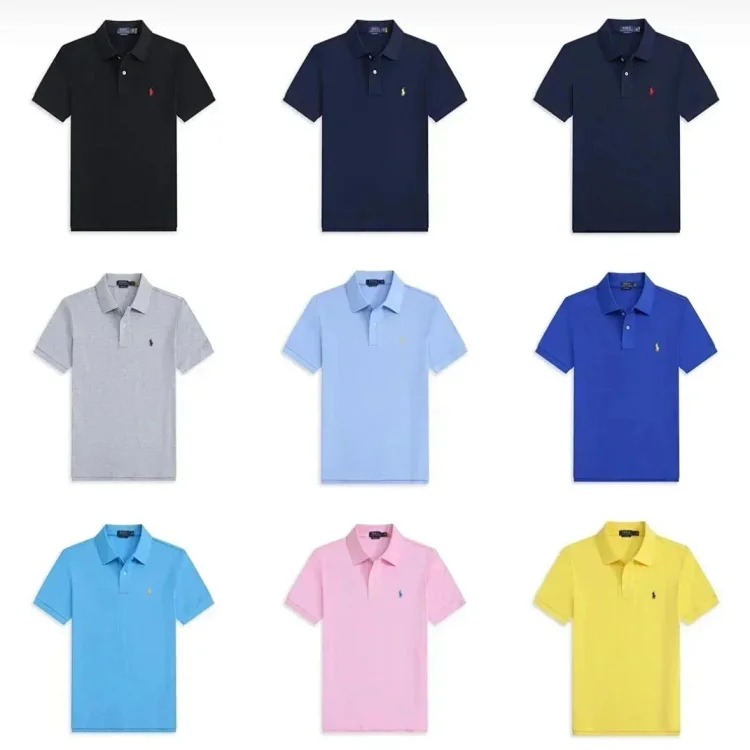
 Solid color short sleeve loose lapel shirt short sleeveShort-sleeve shirts · 159.00View product on OutfitReps →
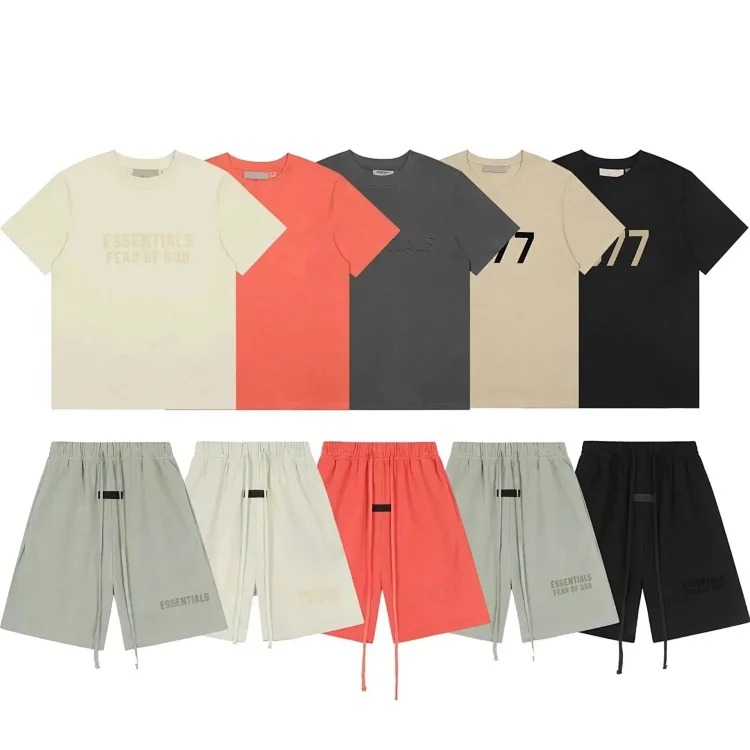 Summer short-sleeved T-shirt series for men and womenT-shirts · 188.00View product on OutfitReps →
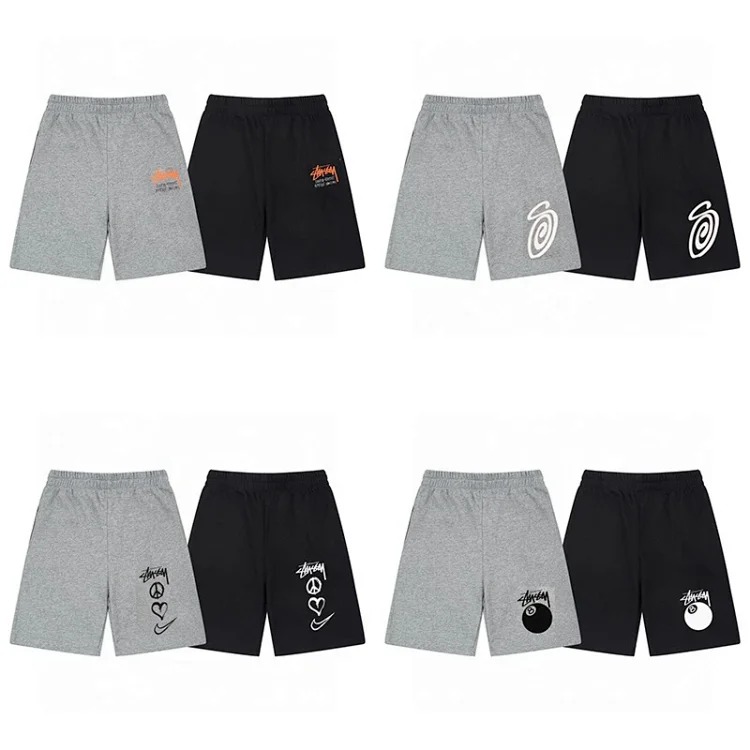 Stuy shortsShorts · 138.00View product on OutfitReps →
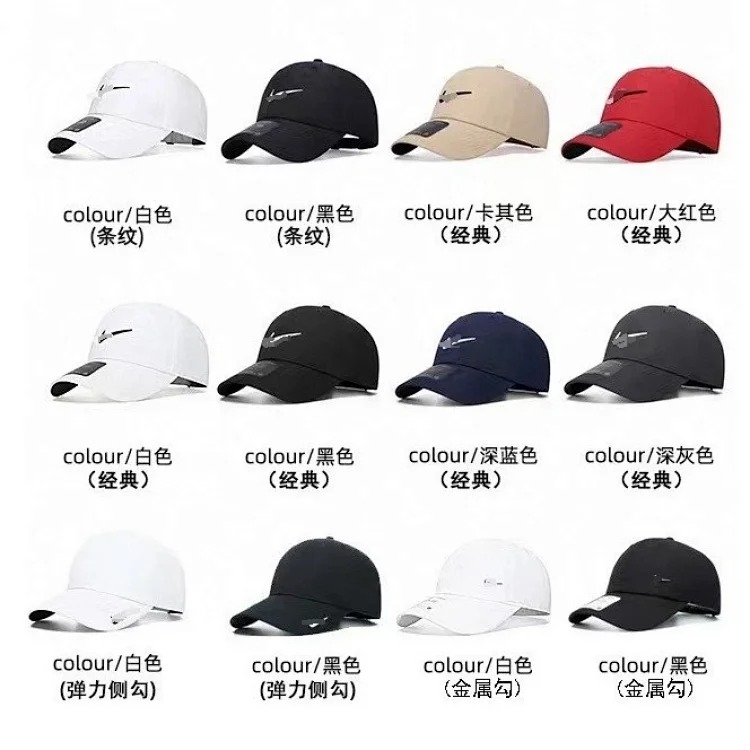 NIKE baseball cap men's elastic hat spring and summer outdoor quick-drying breathable sports peaked cap sunshade casual hatCaps · 60.00View product on OutfitReps →
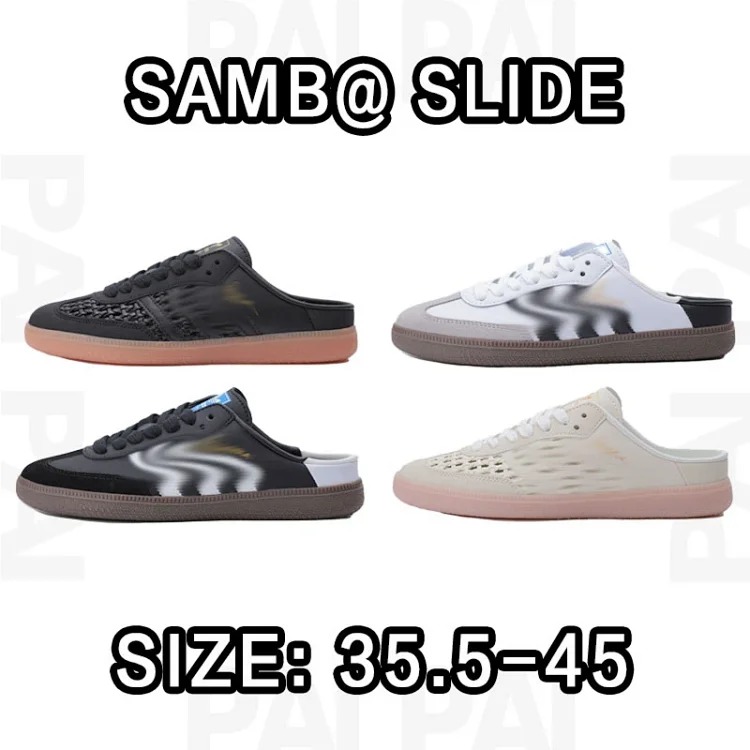 Samb SlideSlides · 169.00View product on OutfitReps →
This outfit guide is built around warm-weather streetwear layering. The goal is not to copy one exact look, but to create a reliable styling framework that helps shoppers judge proportions, colors, textures, and links before they place an order. Every product shown below comes from Outfitreps and is included because it can support a complete outfit rather than sit alone as a random find. Use the guide as a planning board: start with the silhouette, decide which item should be the visual anchor, then use the remaining pieces to control comfort, contrast, and seasonality.
The strongest version of this look feels lightweight, breathable, and still visually structured. That means the outfit should work in real life before it tries to look impressive in a photo. Check the product images for shape, drape, sleeve length, collar height, shoe volume, and accessory scale. If one product looks oversized, balance it with a cleaner item elsewhere. If one product has a strong color or logo, keep the surrounding pieces quieter so the whole outfit reads as intentional rather than crowded.
The first product to study is Solid color short sleeve loose lapel shirt short sleeve. Use it as a lightweight open overshirt or wear it buttoned as the visual anchor. Look at how the item sits on the body, how heavy the fabric appears, and whether the product photo suggests a cropped, regular, or relaxed fit. If the item is a top layer, imagine it over a simple base. If it is footwear or an accessory, imagine the rest of the outfit stepping back so the anchor can carry the visual weight.
The second useful piece is Summer short-sleeved T-shirt series for men and women. This breathable tee is the balancing base layer. A good balancing item supports the anchor without fighting it. When comparing the images, check whether the colors belong to the same temperature family, whether the texture is matte or shiny, and whether the shape adds bulk. If the anchor is loud, the balancing item should be quieter. If the anchor is plain, this product can add just enough detail to keep the fit from feeling flat.
The third item, Stuy shorts, keeps the lower half short, relaxed, and suited to hot weather. Most outfits fail because the top half and bottom half do not agree. A long top with loose pants can look heavy unless the shoes add structure. A short-sleeve shirt with relaxed shorts looks clean, while a structured cap or slide keeps the combination from feeling unfinished. Use this product to decide where the eye should stop and where the silhouette should open up.
The fourth product, NIKE baseball cap men's elastic hat spring and summer outdoor quick-drying breathable sports peaked cap sunshade casual hat, adds sun protection without adding heat or bulk. Practical does not mean boring; it means the look still works when you walk, sit, commute, or spend a full afternoon outside. Check the detail shots carefully. Look for pocket placement, closures, seams, sole thickness, strap length, or ribbed finishes. Those details decide whether the outfit is only a screenshot idea or something that can be worn repeatedly.
The fifth product, Samb Slide, finishes the outfit with breathable, easy warm-weather footwear. This is where you can choose a cleaner route or a more expressive route. If the rest of the outfit is simple, this item can introduce personality. If the rest of the outfit already has strong graphics, the fifth piece should create calm. Always compare the product link and image together because title wording alone can be misleading; the photo gives the real styling signal.
For color planning, start with two base colors and one accent. In this guide, the safest base is usually black, grey, navy, cream, olive, or washed denim. The accent can come from a sneaker panel, logo, bag, hat, watch, or graphic. Do not spread the accent across too many items. A small repeated color can look deliberate, but too many repeated colors can feel forced. Use the product photos to judge the exact shade rather than trusting the title.
For sizing, compare each product against the role it plays in the outfit. A short-sleeve shirt can be relaxed if the shorts stay above the knee. Shorts can be wider if the slide or low-profile shoe keeps the lower half visually light. When a product photo shows a very loose shape, assume you may need to size more carefully. The safest approach is to measure a similar item you already own and compare shoulder width, length, waist, and inseam before buying.
For texture, mix no more than three major surfaces. Breathable cotton, light poplin, quick-drying cap fabric, soft jersey, and open footwear all create different visual weight. A good outfit has contrast, but too much contrast looks accidental. If the anchor product is shiny, pair it with matte items. If the anchor is heavy cotton, add a lighter layer or cleaner shoe. This keeps the outfit readable in both close-up product photos and full-body pictures.
For summer footwear and ground balance, compare the width of the shorts with the shape of the slide. A clean slide keeps air moving and works best when the shorts finish above the knee. Avoid heavy socks or bulky footwear in this combination. The open shoe should make the lower half feel lighter while still echoing one color from the shirt, tee, or cap.
For accessories, choose function before decoration. A bag should hold the items you actually carry. A breathable cap should match the face shape and the relaxed volume of the short-sleeve layers. A watch or small accessory should not compete with a graphic top unless the whole outfit is meant to be busy. The best accessory in a replica or agent-shopping outfit is the one that makes the look feel complete without making the product list feel overloaded.
Before ordering, open each Outfitreps product link in a separate tab and compare the product photos side by side. Check for repeated colors, similar materials, and compatible proportions. Save the product images that best show fit and detail. If an item only has one unclear image, treat it as a riskier choice. If an item has multiple angles, close-ups, and a clear product title, it is easier to judge and easier to explain to an agent.
When building a cart from this guide, avoid buying all five products just because they appear together. Pick the two or three items that solve a real gap in your wardrobe first. If you already own similar shorts, focus on the short-sleeve layer, slide, or cap. If you already have suitable warm-weather footwear, use the guide to improve breathable layering. The point is to create a wearable outfit, not to copy a full shopping list without context.
A good final check is to describe the outfit in one sentence. If the sentence is clear, the outfit is probably coherent. For example: breathable summer layers with relaxed shorts, an easy slide, and one sun-ready cap. If the sentence becomes too long, remove one statement piece. This simple exercise helps shoppers avoid overbuying and keeps the outfit aligned with the original styling goal.
Use the product links below as the working reference list. Each card includes an image, title, category, price when available, and a direct Outfitreps link. The links make it easier to compare options, replace one item with another from the same category, and keep the outfit plan organized before moving into an agent checkout workflow.
As a final buying note, revisit the five product links after a short break and check whether the outfit still makes sense without the excitement of discovery. Strong outfit planning survives a second look. The pieces should still coordinate by color, proportion, texture, and purpose. If one item only works because it is new or unusual, replace it with a cleaner alternative from the same category before ordering. This habit keeps the wardrobe useful and makes every agent-shopping session more disciplined.
For a second-pass quality review of this summer streetwear layering outfit guide, compare every selected item against the seller photos at full size. Check stitching, print placement, fabric weight, closures and measurements that affect the planned silhouette. Save clear notes for the buying agent and identify which details are essential before the order reaches the warehouse. This turns a visual shortlist into a practical QC checklist and reduces the chance of approving an item that does not support the original outfit plan.
Keep a simple order record for the pieces used in this summer streetwear layering outfit guide. Note the product URL, selected size, color, expected measurements and the role each item plays in the outfit. When warehouse photos arrive, review them in the same order instead of judging each product in isolation. A consistent record makes comparisons easier, helps you spot substitutions or size mistakes, and gives you a useful reference if you revisit the category for a future LoveGoBuy research session.
After delivery, evaluate the complete summer streetwear layering outfit guide in normal lighting and during real movement. Photograph the outfit from the front, side and back, then note which proportions worked and which pieces need a different layer, hem or shoe shape. Keep the successful measurements for later purchases and update your shortlist with what you learned. This final feedback step makes the guide more than a one-time inspiration page: it becomes a repeatable system for building better agent-shopping decisions.