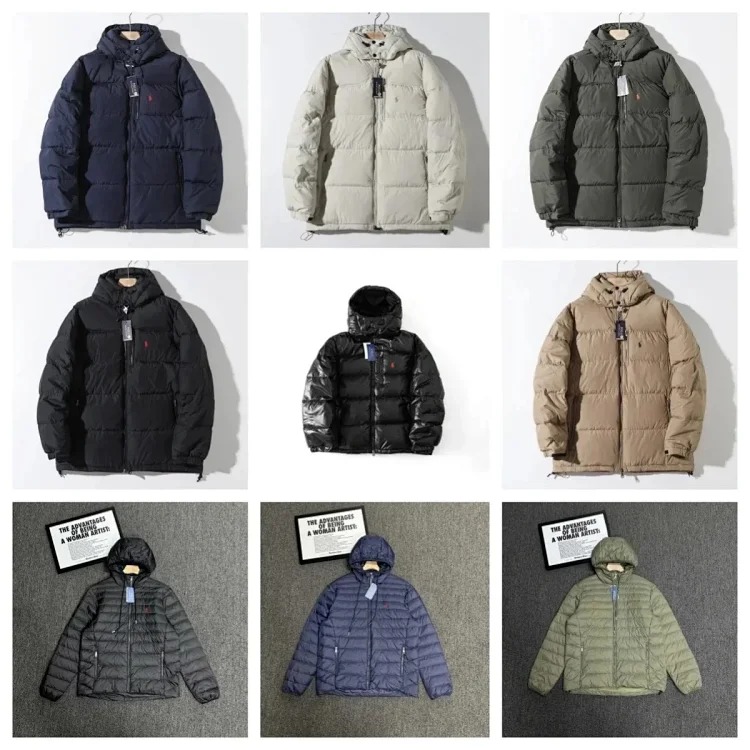
 Warm down jacketInsulation and volume →
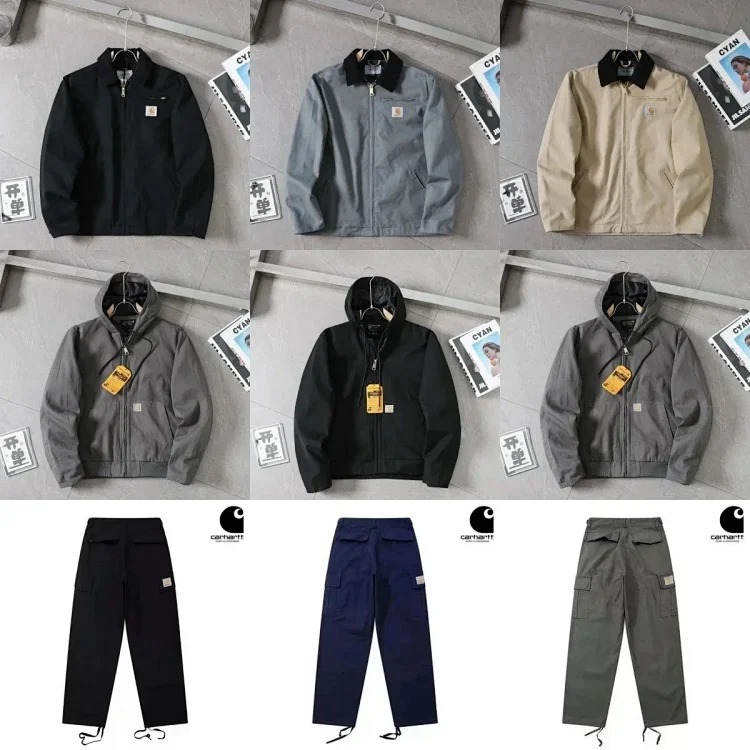 Washed work cotton jacketShell and layering room →
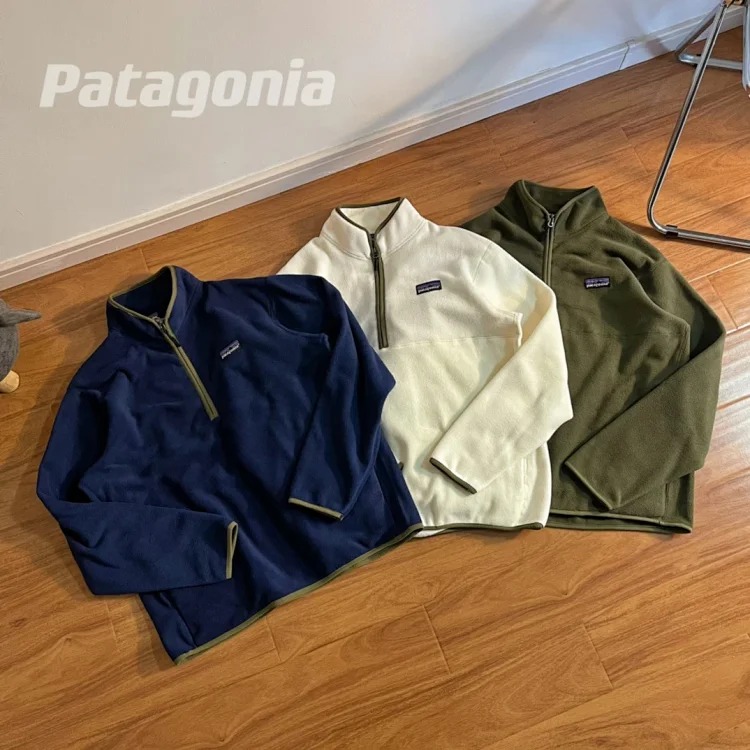 Half-zip polar fleeceMid-layer construction →
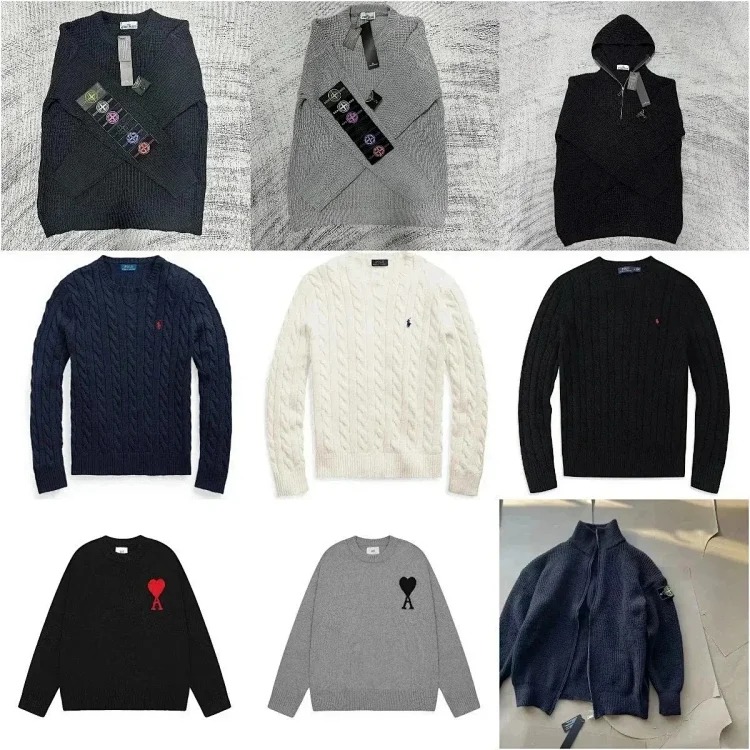 Autumn-winter sweaterKnit and ease →
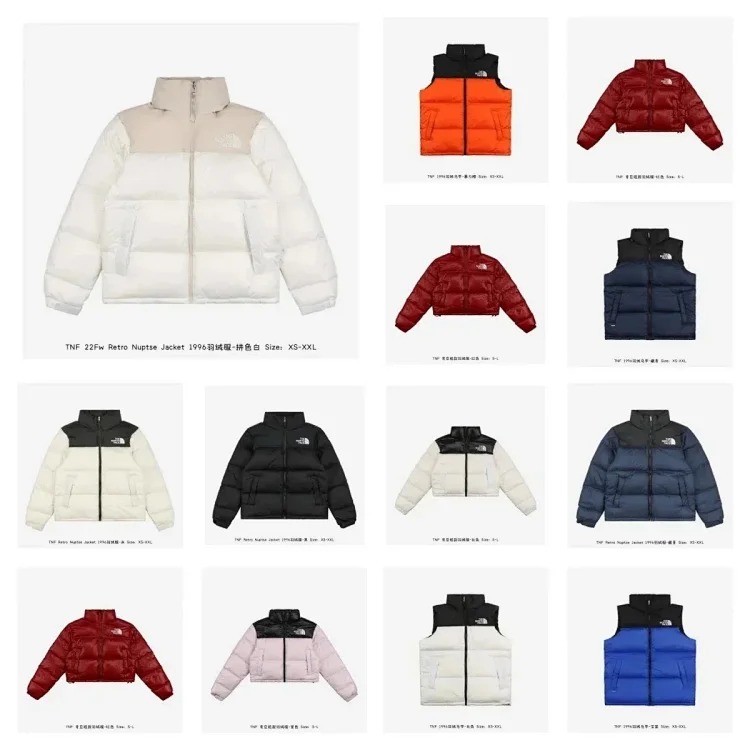 Winter cotton jacketCoverage and weight →
Build a winter brief around layers and real use
Before opening a product page, decide where and how the item will be worn. A short urban commute, a long outdoor wait, and a heated office need different combinations. Write down the expected temperature range, wind or wet-weather exposure, walking time, indoor transitions, and the layers you already own. That makes “warm enough” a question you can investigate instead of an assumption based on a padded silhouette.
Use a simple layer model: a comfortable base, a mid-layer that can hold warmth without restricting movement, and an outer layer suited to wind or precipitation. The pieces in this selection have different possible roles. A sweater or half-zip fleece can sit beneath a roomier shell; a cotton work jacket may be a casual outer layer in milder conditions or an intermediate layer under a coat; a down-style or cotton-padded jacket may provide more coverage. Product titles alone do not establish insulation, fill, wind resistance, or water resistance. Treat those as claims to verify.
Make a comparison card for each listing: direct URL, exact title, category, price at review time, selectable colors and sizes, visible chart, materials stated by the seller, garment photos, package contents, and unresolved questions. Add a “role” field such as mid-layer, casual shell, or cold-weather outer layer. Also record what will be worn beneath it. Two jackets may look similarly substantial in a thumbnail but behave very differently if one is cropped, narrow at the shoulders, or lacks space for a sweater.
Keep candidate count manageable. Compare three or four items against the same needs rather than saving every appealing option. The OutfitReps examples above cover a down jacket, washed workwear-style cotton jacket, fleece pullover, sweater, and cotton winter jacket. This gives you a range of forms to research without claiming that any one is best for every climate. If the listing leaves a critical question unanswered, mark it as unknown and ask the seller or agent before deciding.
Read product pages for weight, construction, and seller evidence
Start with the option selector and image gallery. Confirm that the pictured garment corresponds to the exact size and color you are considering. Pages may group several colorways or versions under one listing; note the option label exactly as displayed and save the image that matches it. Reopen the page before ordering because options, images, prices, and availability may change.
For the warm down jacket listing, investigate the actual measurements, closure, hood or collar details, cuffs, hem, and whether the seller gives any substantiated material or fill description. “Down jacket” in a listing title is not a laboratory result or a promise of a particular fill ratio. Ask what the selectable version contains if material matters to warmth, care, or allergies. Request a scale photo or garment weight only if the seller can provide a repeatable measurement; record the unit and whether packaging is included.
The washed work cotton jacket has a different research profile. Look closely at seams, pockets, buttons or zip, lining visibility, and the shape of the hem. A heavyweight label may refer to style or fabric hand rather than an independently verified weight. Ask for the shell and lining composition, then consider how the shoulder and chest will accommodate a sweater. The product listing’s construction photos can help you identify details to inspect at the warehouse, but a product image cannot establish long-term durability.
The half-zip polar fleece listing suggests a potentially useful mid-layer. Check the collar height, zipper length, cuffs, hem finish, pocket layout if shown, and whether the interior is brushed. Ask for exact fabric information rather than relying on a generic fleece title. For the sweater, record knit structure, collar shape, ribbing, and any claims about yarn composition. For the cotton winter jacket, compare length and closure with the down jacket and ask whether the visible inner surface is lining or padding. Seller answers should refer to the exact option, not just the product family.
Maintain a seller record with the question, response, date, variant, and source. Clear measurements and a direct response are useful signals; vague assurances do not settle a point. Sales counters and reviews may offer context but cannot prove that this batch matches older photos. If a seller cannot confirm a feature that affects fit, warmth, or purchase value, either accept the uncertainty explicitly or choose another candidate.
Choose size from garments you already trust, then plan QC
Use a jacket or sweater that fits the way you want. Lay it flat and measure chest width across the garment, shoulder seam to seam, sleeve from the shoulder seam, back length from the collar seam, and hem width. Record whether the item is zipped or buttoned and whether the fabric is stretched smooth. Compare the numbers with the seller’s chart, but first check whether the chart measures the body or the garment. Do not pick a winter size from height and weight alone when garment measurements are available.
For layering, compare the intended base and mid-layer together with the outer garment. A sweater that fits alone may make a fitted jacket uncomfortable at the chest or upper arm. Note room for movement: reach forward, lift the arms, and sit while wearing the reference layers. If a listing lacks sleeve, shoulder, or back-length data, request it. For a pullover, include chest, shoulder, body length, sleeve length, and hem opening; for a padded jacket also compare collar, hood opening, cuff, and total length.
Write an agent note that is easy to execute: exact product URL, option name, color, seller size label, quantity, and a request to pause if the option or chart differs. If the seller confirms that a size uses a particular measurement system, preserve that answer with the date. Do not translate a seller size to a familiar local size unless the chart and garment dimensions support the conversion.
Plan warehouse QC before purchase. For the down and cotton jackets, request front, back, side, closure, collar or hood, cuffs, hem, lining, labels, and close-ups of any key seams. For the work jacket, inspect pockets and surface finish. For the fleece and sweater, request the front and back, inside surface, neck, cuffs, hem, labels, and seam details. Ask for a ruler photo across the same paths used in your size comparison: chest, shoulder, sleeve, and length. Tell the agent which measurement tolerance matters and what difference should trigger a question.
Photos can help confirm visible color, quantity, option, obvious marks, and dimensions; they cannot prove fiber content, warmth in use, or how the garment will age. Decide in advance which findings justify a return or exchange, such as a wrong version, missing component, obvious damage, or a measurement outside your stated tolerance. Request additional views while the warehouse process still permits action.
Connect the listing to agent route, parcel, and landed cost
A product find becomes an order only after the route is understood. Track the link from agent submission to seller purchase, domestic dispatch, warehouse arrival, QC review, any return window, parcel rehearsal, and international shipping. Ask whether the intended item and seller are eligible for the route you plan to use, and whether there are restrictions on materials, batteries, liquids, branded packaging, or garment types. Do not assume a route can accept every listing or that a warehouse arrival means the selected option is correct.
Estimate landed cost rather than comparing item prices. Include product cost, domestic delivery, agent service fees, optional inspection, return handling, packing, actual or volumetric weight, international freight, insurance if selected, and possible destination charges. Bulky jackets can occupy more parcel volume than a sweater; removing a box may reduce size but also changes protection and package contents. Ask whether rehearsal packing is available and which shipping rules apply to your destination. Fees and service availability change, so treat quotes as time-specific.
Before approving the parcel, compare the QC photos with your saved listing and seller response. Check option, color, quantity, visible condition, and the measurements you requested. If evidence is missing, ask the agent whether another photo or measurement is still possible. Save the final parcel weight, selected route, declared-value details requested by the service, and shipping estimate with the order record. Never use inaccurate customs information; follow the agent’s lawful procedures and your destination rules.
Finish with a simple decision: shortlist, ask seller, wait for more evidence, or reject. Include why and when you will review the link again. After delivery, compare the garment with its listing, measurement, QC, and cost notes. Update what proved useful and what remained uncertain. That feedback turns a LoveGoBuy winter finds list into a repeatable research habit rather than a collection of unverified product claims.
Continue from the LoveGoBuy Best Links home, browse the complete guide archive, review the product categories, and use the quick shopping guide. For complementary checks, read the LoveGoBuy Jacket Spreadsheet guide and the LoveGoBuy Size Guide. Reopen each OutfitReps listing before purchase: stock, seller details, images, sizes, prices, and shipping conditions are subject to change.