LoveGoBuy product finds become more useful when every candidate is reviewed through the same practical lens. A sneaker, hoodie, bag, T-shirt, and pair of shorts have different details, yet the decision process can remain consistent: verify the exact OutfitReps page, understand the option, compare measurements, identify useful QC photos, record seller details, plan the agent route, and estimate shipping. This guide uses five different product types to demonstrate that workflow. They are examples for research, not a promise about stock, quality, or suitability, and each current page should be checked again before ordering.
Start with a clear need rather than an unlimited browse. Decide whether the next purchase must solve footwear rotation, add a layer, provide everyday storage, replace a base top, or complete warm-weather bottoms. Then visit the LoveGoBuy Best Links Index, compare the available categories, and use the quick shopping guide. A defined use case makes it easier to reject an attractive item that does not fit the wardrobe, budget, or planned parcel.
Shortlist different LoveGoBuy product finds without mixing the evidence
Create one research row per product and keep observations separate from assumptions. Record category, title, concrete OutfitReps detail URL, source image, visible options, price shown at review time, measurements, seller information, QC priorities, agent note, estimated weight, and status. Do not rely on a screenshot alone because it can lose the option wording and live source. Do not use a category page as the final buy link because the agent needs the exact product detail page.
These five finds cover distinct roles. The sneaker is a structured footwear option; the hoodie is a soft upper layer; the messenger bag is an accessory with storage and hardware requirements; the T-shirt is a lighter base; and the shorts are a warm-weather bottom. Their different constructions help reveal why a single generic instruction such as “check quality” is insufficient.
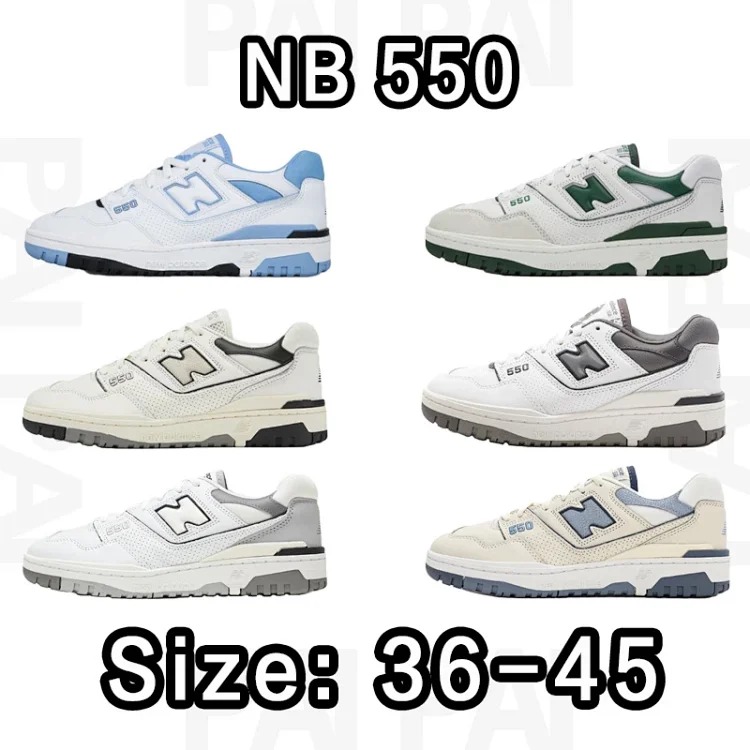 New Balance NB 550Sneaker findView product on OutfitReps →
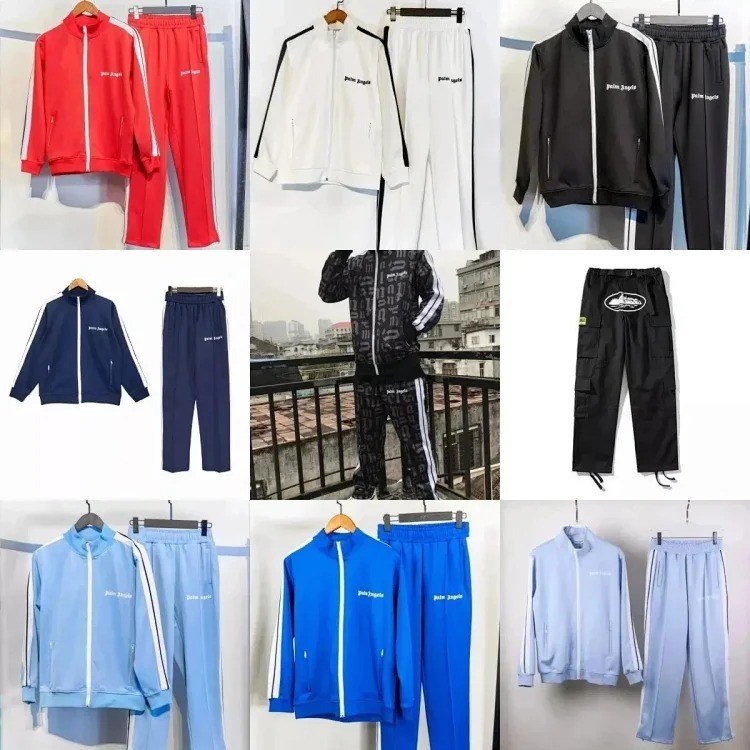 Spring and autumn versatile suitHoodie findView product on OutfitReps →
 Oblique jacquard messenger bagBag findView product on OutfitReps →
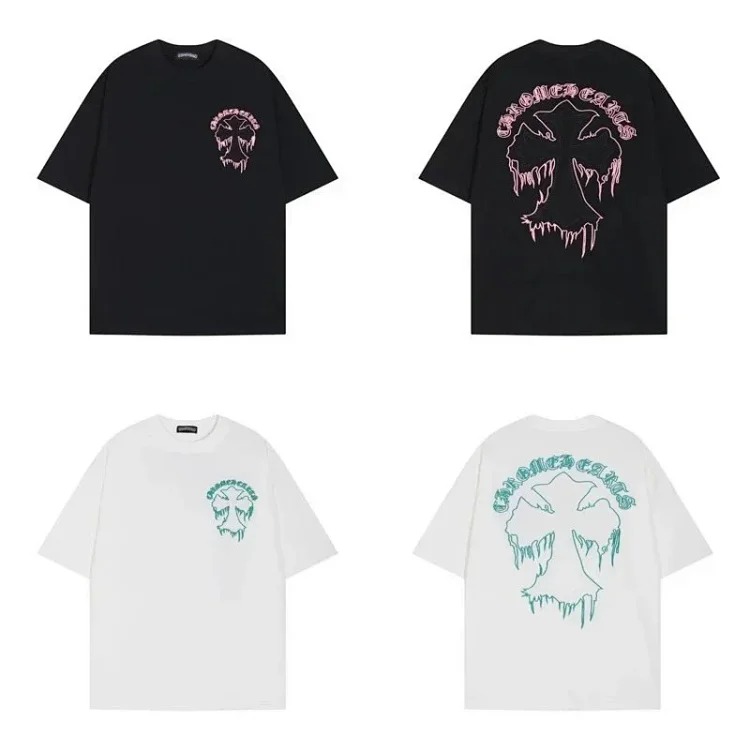 Summer street short-sleeved T-shirtBase-layer findView product on OutfitReps →
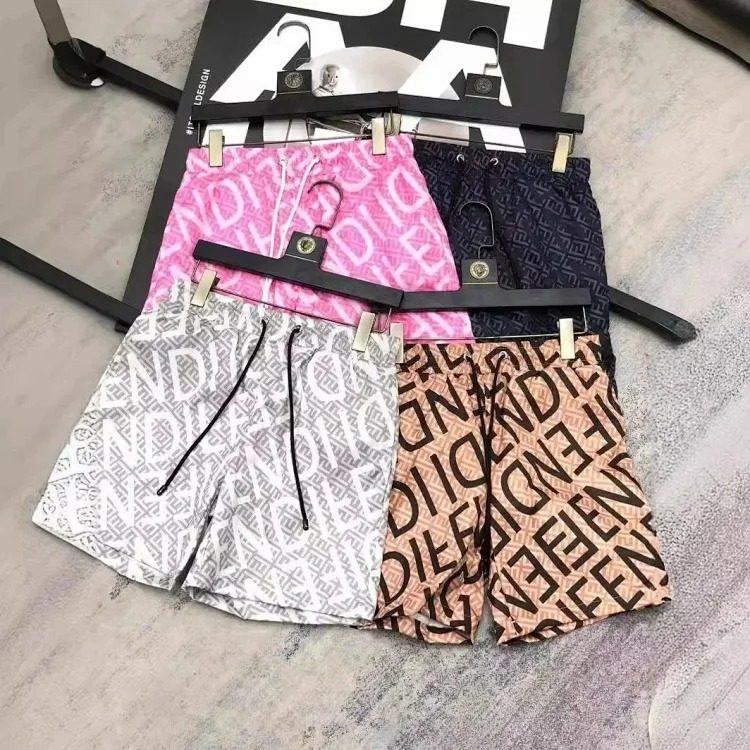 Printed beach shortsWarm-weather bottom findView product on OutfitReps →
Give each product a status such as research, awaiting details, shortlisted, ordered, QC review, approved, exchange, returned, or archived. Only advance a row when the required evidence is present. A product with clear images but no usable measurements should remain in research. A product with confirmed measurements but an ambiguous color option should remain awaiting details. This prevents enthusiasm from becoming an accidental order instruction.
Compare no more than a few candidates for the same role at once. Too many alternatives make the spreadsheet longer without improving the decision. Identify the strongest candidate, one practical alternative, and the reason the others were rejected. The rejection note is valuable because it prevents the same unsuitable proportions, unclear option, or excessive shipping profile from returning during a later search.
Review sneakers, hoodies, and bags with category-specific checks
For the NB 550 sneaker, record the exact colorway, available size system, and any insole measurement shown. Compare the internal length with footwear that already fits rather than trusting a familiar number across factories or sellers. Study the toe shape, panel alignment, sole profile, heel area, stitching, and color blocking in source photographs. Your warehouse QC request should include both sides, the toe, heel, size tag, outsole, and an insole measurement when the agent offers it.
Decide whether the retail box matters before shipping. Keeping it may protect the shoe and preserve packaging, but removing it can reduce parcel volume. Put that preference in the row, together with a backup instruction if the box arrives heavily damaged. The decision should account for the total parcel rather than this shoe alone, because volumetric weight can change the available shipping route or landed cost.
For the hoodie or coordinated suit listing, confirm what the displayed price includes. Check whether top and bottom are sold together, separately, or through different options. Record the precise variant text and never reduce it to a vague color label. Compare shoulder, chest, garment length, sleeve, waist, rise, and inseam measurements as applicable. If the listing shows a relaxed silhouette, use a similar garment you own as the reference instead of automatically sizing up.
Hoodie QC should focus on print or embroidery placement, zipper and drawstring details, ribbed cuffs, pocket symmetry, seam condition, and the size tag. Ask for a flat chest and length measurement if fit is central to the purchase. Consider fabric weight because a thick set can add substantial freight. A low item price does not guarantee good value when the parcel becomes heavier than planned.
For the messenger bag, record approximate width, height, depth, strap range, closure, interior layout, and hardware color. Product photographs can make a compact bag look larger, so compare dimensions with an object you use daily. Decide what it must carry and whether the opening supports that use. QC images should show the front, back, base, corners, strap attachments, hardware, interior, closures, and any patterned alignment that matters to your decision.
Bag seller details deserve careful wording. Note only information visible on the current page and mark missing facts as unconfirmed. Avoid turning phrases in a title into conclusions about materials or construction. If material composition is important, ask the agent or seller for clarification before purchase. Keep screenshots of the option and main description so the delivered product can be compared with the listing that informed the order.
Add supporting pieces, sizing notes, and actionable warehouse QC
The short-sleeved T-shirt is a useful base-layer example. Record chest, shoulder, body length, sleeve length, collar shape, fabric description, and the exact graphic or color option. Compare the measurements with a tee that fits the intended silhouette. A wide chest paired with excessive length can feel different from a balanced oversized cut, so do not judge fit from one number. Review print scale and placement across every source image.
For warehouse QC, request a front and back view, collar close-up, size tag, graphic detail, and flat measurements when available. Look for obvious print displacement, marks, uneven seams, or an option mismatch. Minor photographic color differences can result from lighting, so compare several images and focus on major discrepancies. Write the acceptance priorities before the item arrives; deciding standards afterward makes the review inconsistent.
The printed shorts require waist, rise, thigh, inseam, total length, and leg-opening notes. Confirm whether the waist is elastic, adjustable, or measured unstretched. Because the pattern is visually prominent, request front and back photographs that show the complete placement. Also check pocket construction and drawstring details. Warm-weather products should remain lightweight and breathable in the plan, rather than being paired with an unnecessarily heavy layer simply because both links appeared during the same browse.
Every QC instruction should describe observable evidence. “Please measure the waist flat,” “show both heel panels,” or “photograph the bag interior and strap attachments” gives the agent a clear action. “Please make it perfect” does not. Keep the request short enough to scan but specific enough to distinguish the selected option. Save the source image that best illustrates each priority beside the row.
Record seller information, the time of review, and questions separately. The seller-details field should contain what is visible; the questions field should contain what you need confirmed. This separation prevents unanswered questions from later looking like established facts. When an answer arrives, add its date and source. If the answer remains unclear, do not silently promote the product to approved status.
Plan the agent route, shipping cost, and final product decision
A practical agent route moves from OutfitReps discovery to the concrete product page, buying agent order, seller dispatch, domestic tracking, warehouse receipt, QC review, parcel rehearsal, international shipping, and delivery feedback. Copy exact options and sizes into the agent note. Keep private transaction identifiers out of a public research document, but preserve them in your personal sheet so exchanges and returns can be traced.
Estimate landed cost before ordering. Add the product price, domestic freight, service charges, estimated international shipping, and a contingency for weight or packaging changes. Sneakers with boxes, thick hoodies, and structured bags may occupy more volume than a T-shirt or shorts. If two candidates solve the same need, shipping efficiency can be a legitimate deciding factor. Rehearsal packaging is helpful when the final route depends on actual weight or dimensions.
Before approval, ask five questions. Is the exact detail link still reachable? Is the selected option unambiguous? Do the measurements match a known reference? Can warehouse staff photograph the important QC points? Does the estimated landed cost remain reasonable? If any answer is missing, leave the product in research. A slower shortlist is cheaper than correcting an avoidable option or sizing error after international dispatch.
After delivery, update actual fit, measurements, parcel weight, material impressions, and the usefulness of each QC request. Archive unavailable links instead of deleting the evidence. Over time, this creates a personal reference for sizing patterns, category weights, and product details that deserve closer inspection. The value of LoveGoBuy product finds is not the quantity saved; it is the clarity created before money and shipping time are committed.
For the next step, read how to use a LoveGoBuy spreadsheet, return to the complete guide archive, or browse the current categories through the links below.